
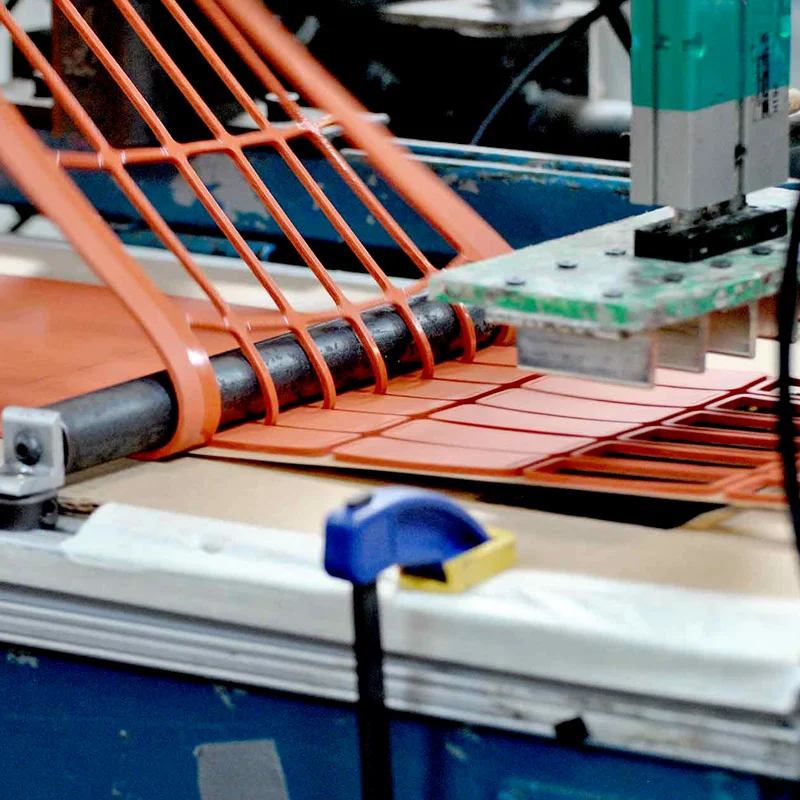
Introduction: The Importance of Silicone Rubber Die Cutting
Silicone rubber die cutting plays a vital role in precision manufacturing across multiple industries. With its exceptional properties—such as high temperature resistance, flexibility, chemical stability, and durability—silicone rubber is used in critical applications, including medical devices, electronics, automotive, and more. Die cutting helps transform silicone into highly accurate, functional components such as seals, gaskets, and keyboard pads. In this blog, we’ll explore the die cutting process, its benefits, and how it’s used across various industries.
What Is Silicone Rubber Die Cutting?
Silicone rubber die cutting is a process that uses custom-made dies to cut silicone rubber sheets into specific shapes and sizes. The versatility of silicone, combined with the precision of die cutting, makes this process ideal for producing gaskets, seals, pads, and other components that require tight tolerances and high-quality performance. Compared to other manufacturing methods like injection molding or extrusion, die cutting is cost-effective, efficient, and highly accurate, particularly for high-volume production runs.
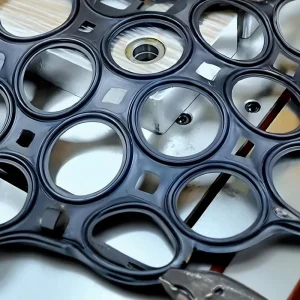
Die Cutting Process Overview
The success of silicone rubber die cutting depends on the careful control of several key steps in the process. Here’s how it works:
1. Preparation
First, the silicone material is selected based on its hardness (usually measured on the Shore A scale), thickness, and required features (e.g., color, texture). The material properties must align with the product’s performance requirements, such as temperature resistance or flexibility.
2. Die Design and Tooling
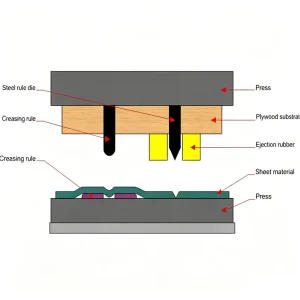
A custom die is created based on the product’s design specifications. Dies are typically made from high-grade steel or aluminum, and the design precision is crucial for ensuring the final product matches the desired dimensions and tolerances. The accuracy of the die directly impacts the quality of the cut components.
3. Cutting Process
During the die cutting process, the silicone material is placed into the die, and pressure is applied to cut the material into the desired shapes. The pressure must be carefully regulated to avoid over-compressing or stretching the material, ensuring clean, accurate cuts with minimal waste.
4. Post-Processing and Quality Control
Once cut, the silicone parts undergo secondary operations such as edge trimming, cleaning, and packaging. Quality control checks, including dimensional accuracy, strength testing, and surface finish inspections, ensure that each part meets the required specifications.
Advantages of Silicone Rubber Die Cutting
Silicone rubber die cutting offers numerous advantages:
1. High Precision and Consistency
The die cutting process ensures that each part is cut to exact specifications, with minimal variation between parts. This level of precision is essential for applications where tight tolerances are required, such as medical devices and electronic components.
2. Cost-Effective for High Volumes
Die cutting is an affordable method for producing large quantities of silicone parts. The setup costs are low, and the process allows for quick turnaround times, making it ideal for high-volume production runs.
3. Flexibility in Design
Die cutting can produce parts in a wide range of sizes, shapes, and thicknesses, offering great flexibility for meeting specific design requirements. This flexibility makes it a preferred choice for custom-made silicone components across various industries.
4. Durability and Performance
Silicone’s inherent properties—such as resistance to high temperatures, UV exposure, and chemicals—make it an ideal material for demanding applications, from automotive seals to medical devices. Die-cut silicone parts maintain their performance even in harsh environments.
Common Applications of Silicone Rubber Die Cutting
Silicone die cutting is used in various industries to produce parts that require precision, flexibility, and durability. Some common applications include:
1. Medical Devices
Silicone gaskets, seals, and pads are commonly used in medical devices due to silicone’s biocompatibility and durability. These components must meet stringent quality standards to ensure patient safety and equipment performance.
2. Automotive Industry
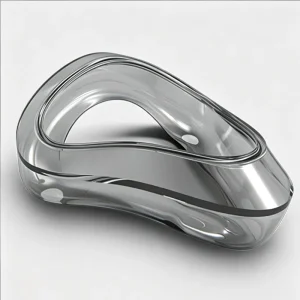
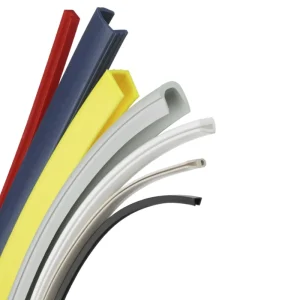
Silicone rubber die-cut parts are used for automotive sealing applications, such as door seals, air conditioning seals, and gaskets. These parts must withstand extreme temperatures, vibrations, and weather conditions.
3. Electronics
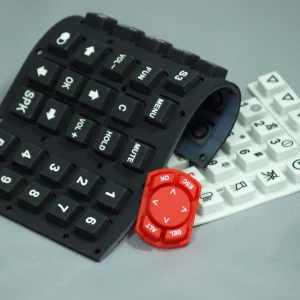
In electronics, silicone is used for keypads, seals around buttons, and insulating pads for electronic components. Its electrical insulation properties and flexibility make it ideal for protecting sensitive electronics.
4. Consumer Goods
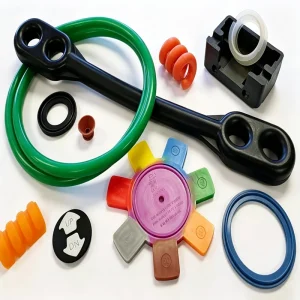
Silicone parts are also used in everyday consumer goods, such as kitchenware, toys, and fitness equipment. The ability to produce custom-shaped, durable parts makes silicone die cutting a go-to choice for manufacturers of various consumer products.
Quality Control and Common Challenges in Silicone Die Cutting
To ensure the highest quality, stringent quality control measures are followed throughout the die cutting process:
- Dimensional Accuracy: Consistent measurements are critical, and each part must match the design specifications.
- Strength Testing: The parts are tested for tensile strength and resistance to tearing to ensure they perform in demanding applications.
- Surface Quality: After cutting, parts are inspected for smoothness and free of defects like burrs or wrinkles.
Despite its many advantages, challenges like material shrinkage, tool wear, and alignment errors can occur, but these can be minimized with proper equipment and expert knowledge.
Conclusion: The Future of Silicone Rubber Die Cutting
With continued advancements in automation and precision engineering, silicone rubber die cutting is becoming even more efficient and accurate. As industries increasingly demand custom, high-performance parts, the ability to quickly and reliably produce silicone components will be crucial.
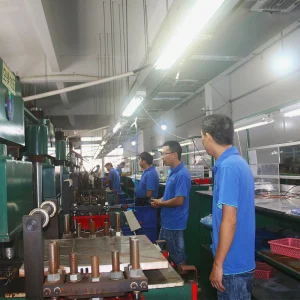
For businesses looking to integrate silicone rubber die cutting into their product lines, choosing a trusted manufacturer with the necessary expertise and equipment is key. At Flykeyboard, we specialize in high-precision silicone die cutting services for a wide range of industries. Our advanced capabilities ensure that your components meet the highest standards for quality, durability, and performance.
FAQ
1. Is silicone rubber die cutting suitable for large volume production?
Yes, it’s perfect for high-volume production, offering both precision and efficiency.
2. Can silicone rubber die cutting provide high-precision custom products?
Yes, it allows for precise customization and consistency in size.
3. How is quality controlled in silicone rubber die cutting?
Through strict dimensional checks, strength tests, and environmental resistance tests to meet industry standards.