
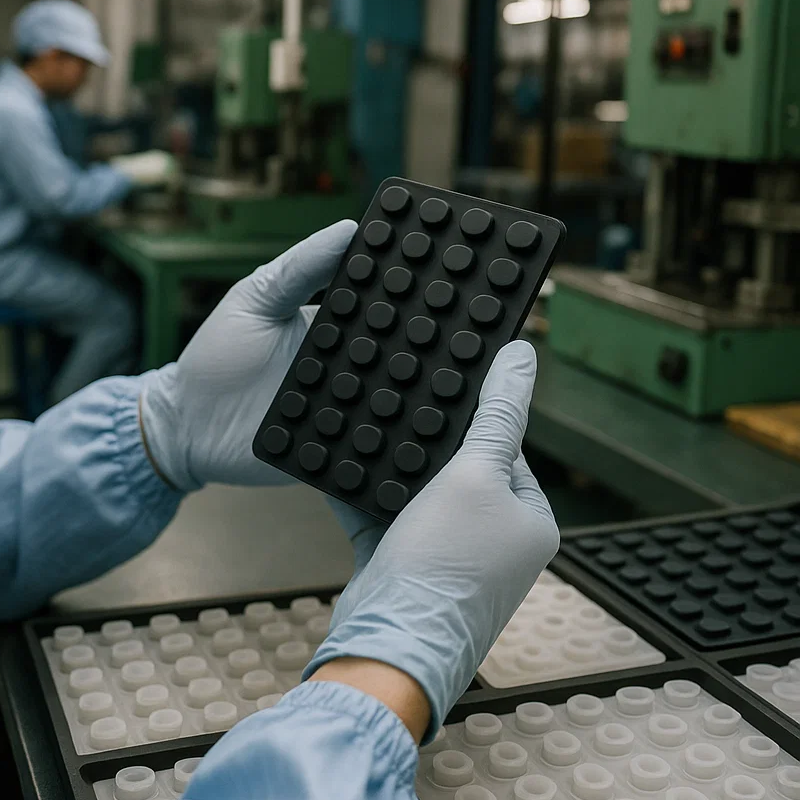
When it comes to silicone keypads, the production strategy you choose can have a major impact on both the quality of your product and the efficiency of your manufacturing process. Whether you’re a startup testing out a new product or an established company scaling production for global distribution, understanding when to opt for low-volume production versus mass production is crucial.
At Flykeyboard, we specialize in providing OEM services and high-quality silicone keypads with one-stop solutions tailored to meet the needs of our customers. Whether you’re just starting out with small-scale production or need to ramp up to full-scale manufacturing, our factory is equipped to deliver the best outcomes. In this post, we’ll walk you through the key differences between low-volume and mass production for silicone keypads, discussing the pros and cons of each approach, when each is most appropriate, and how you can make the right choice for your business.
What Defines Low-Volume vs. Mass Production for Silicone Keypads?
The primary distinction between low-volume and mass production lies in the quantity of units being produced, but there are many other factors that come into play. These include cost, tooling, flexibility, and the complexity of the final product.
Low-Volume Production
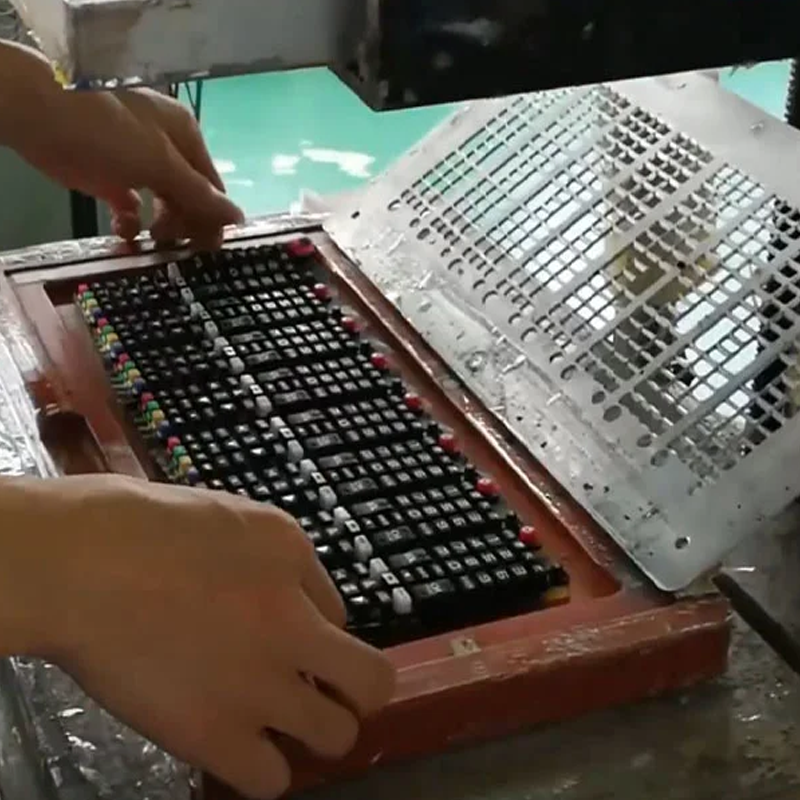
Low-volume production typically involves producing fewer than 5,000 units, and this approach is often ideal for startups or businesses testing new products. It’s generally a more flexible, cost-effective solution for prototyping or small-scale runs.
- Tooling Type: Soft tooling, typically made of aluminum or soft steel.
- Main Benefit: Flexible design updates, lower upfront costs, and quick turnaround.
Mass Production
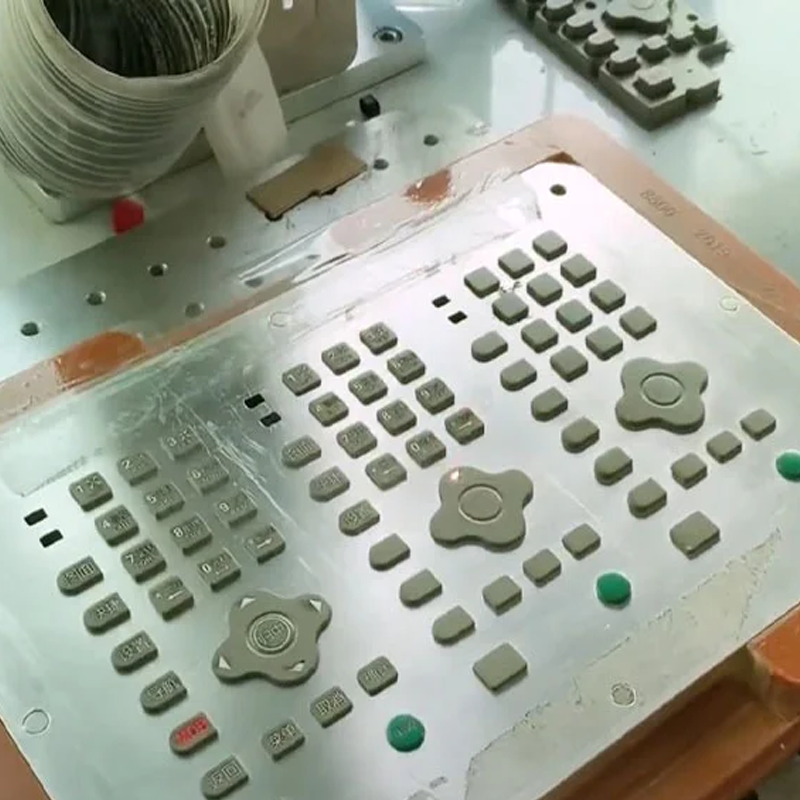
Mass production, on the other hand, is geared toward larger runs of 10,000 units or more, often involving the use of hardened steel molds and automation. This approach is best when your product design is finalized, and you have a clear demand for large quantities.
- Tooling Type: Hardened steel tooling.
- Main Benefit: Significantly lower unit costs and greater consistency at high volumes.
Why Choose Low-Volume Production?
Low-volume production offers flexibility, speed, and lower initial investment costs, which makes it particularly attractive for small businesses or those introducing a product to the market.
Advantages of Low-Volume Production:
- Faster Lead Times: You can expect your silicone keypads to be ready in as little as 7–10 days, which is ideal for testing or urgent needs.
- Lower Tooling Costs: The cost to produce molds is significantly lower, with typical tooling costs ranging from $800 to $3,000. This makes it perfect for prototypes or limited runs.
- Design Flexibility: If you need to make adjustments to the design, low-volume production allows for quick modifications without substantial re-tooling costs.
- No High Minimum Order Quantities (MOQ): This allows you to avoid overcommitting to a large batch when market demand is uncertain.
At Flykeyboard, we work closely with clients to help them navigate the complexities of low-volume production, ensuring that you receive the highest quality product with the flexibility you need during development.
When Does Mass Production Make Sense?
Mass production becomes the logical choice once your product has passed the prototype stage and you need to scale for larger demand. This method offers significant advantages when volume and consistency are key factors.
Benefits of Mass Production:
- Lower Unit Cost: The per-unit cost decreases significantly as production volume increases. This is ideal when you need to meet large orders without compromising quality.
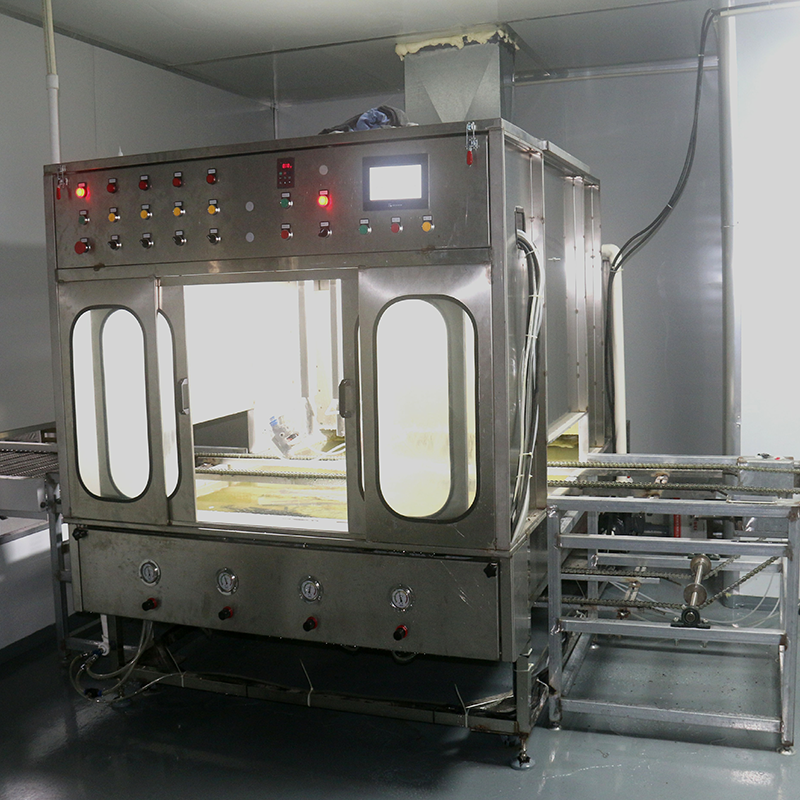
- Efficiency: Mass production involves automation, multi-cavity molds, and high-speed molding processes, which dramatically reduce the time needed to produce each unit.
- Consistency: Mass production ensures uniformity across all units. With strict quality control, it’s easier to maintain high standards for every piece produced.
- Long Tool Life: With hardened steel tooling, mass production can handle up to 1 million cycles, ensuring durability and reliability throughout large runs.
Mass production is ideal when your product has found its place in the market and you have a steady customer base requiring consistent, large quantities. Our team at Flykeyboard helps you transition from low-volume to high-volume production smoothly, ensuring high-quality output at every stage.
Tooling: The Foundation of Your Silicone Keypad
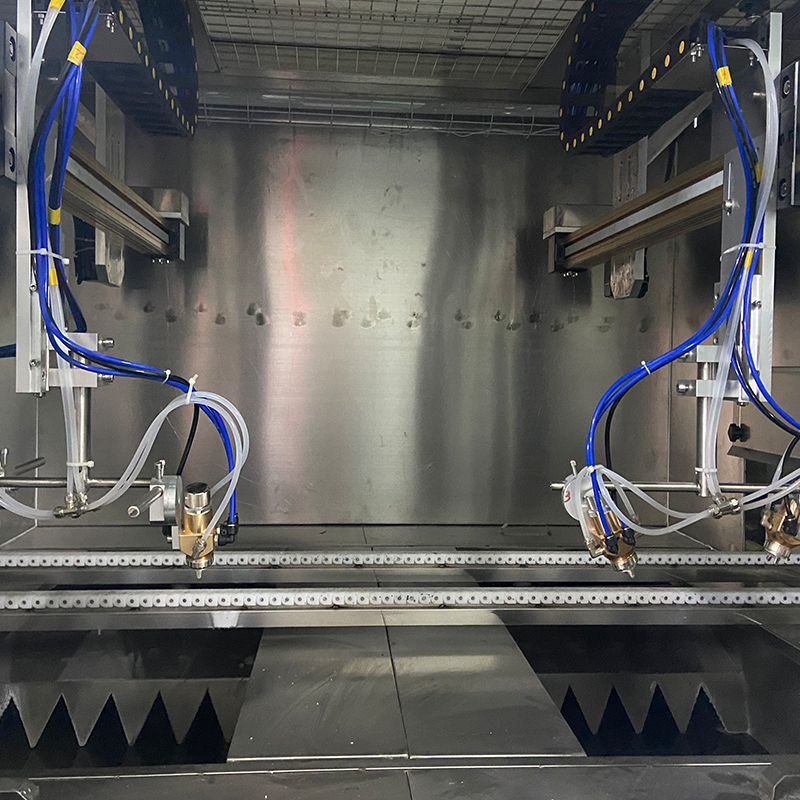
When considering low-volume versus mass production, one of the most significant decisions you’ll make is selecting the right tooling for your silicone keypads.
- Low-Volume Tooling: Made from aluminum or P20 steel, low-volume tooling is cheaper and faster to machine but has a shorter lifespan (typically 1,000–20,000 cycles). It’s perfect for testing designs, small batches, or custom variations.
- Mass Production Tooling: Made from hardened steel (such as H13 or S136), mass production tooling can last 100,000 cycles or more, providing long-term precision and durability necessary for large-scale manufacturing.
At Flykeyboard, we provide customized tooling services, ensuring that you receive the most cost-effective solution that fits your production scale and design requirements.
Cost Comparison Between Low-Volume and Mass Production
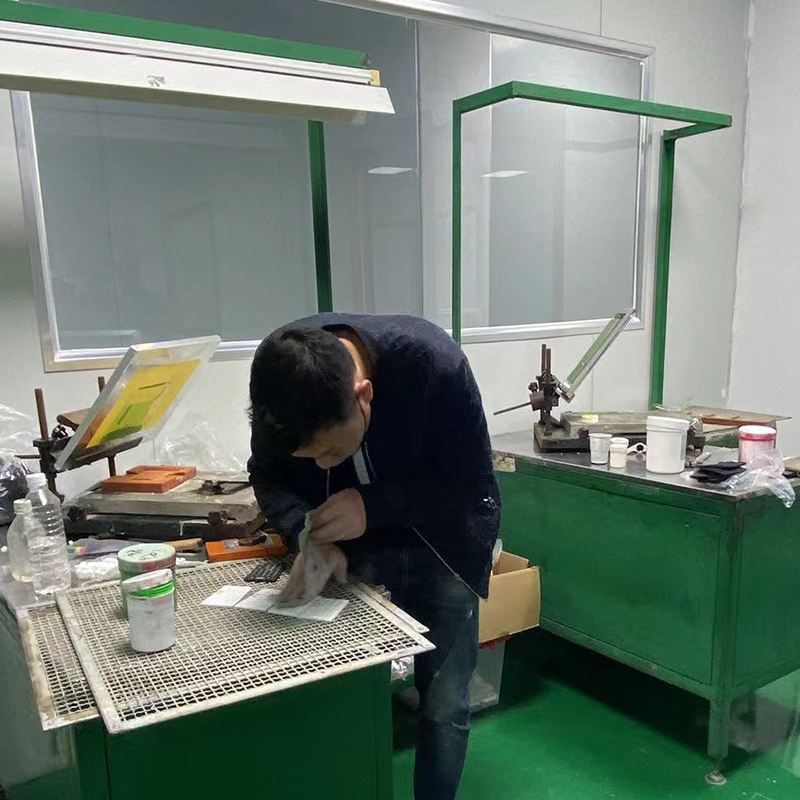
The cost differences between low-volume and mass production can be substantial. While low-volume production involves lower upfront costs, the per-unit price tends to be higher. In contrast, mass production involves higher initial tooling costs but results in lower unit prices as volume increases.
Typical Cost Comparison:
| Cost Type | Low Volume | Mass Production |
|---|---|---|
| Tooling | $800–$3,000 | $6,000–$20,000 |
| Per Unit (100 pcs) | $2.50–$6.00 | $0.20–$1.00 |
| Lead Time | 7–14 days | 20–30 days |
Low-volume production is best for prototyping, market testing, or short runs, while mass production is ideal for consistent and large orders where economies of scale are critical.
Risks and Limitations
Each production method has its risks and limitations that you should be aware of when deciding between low-volume and mass production:
- Low-Volume Production Risks: Higher per-unit costs and the potential for longer production times.
- Mass Production Risks: Higher tooling costs and the possibility of design limitations once tooling is finalized.
At Flykeyboard, we help you manage these risks, ensuring that you make the right choice based on your current business stage and future goals.
Conclusion
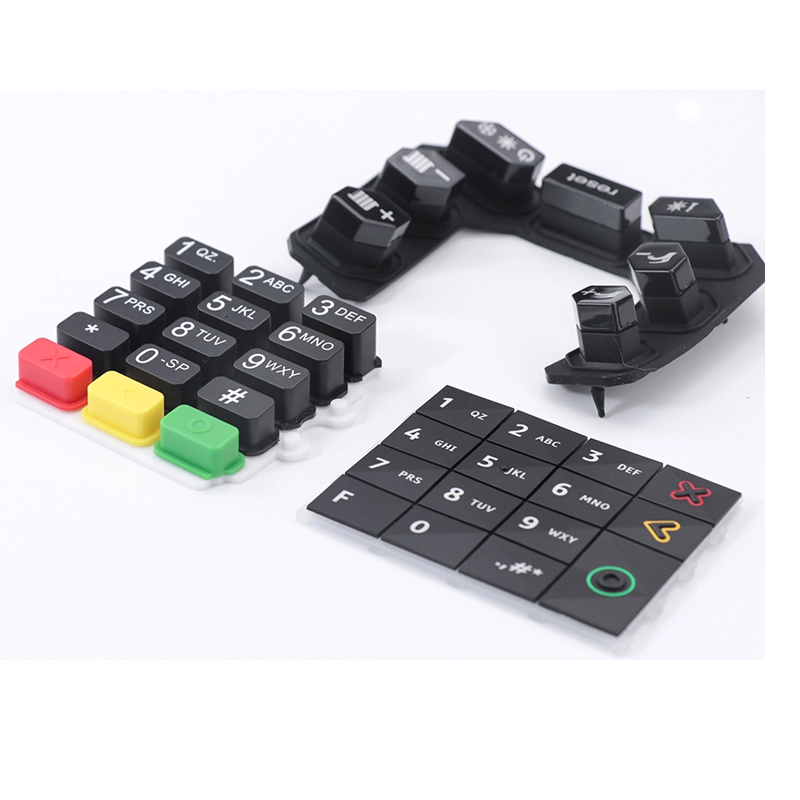
When choosing between low-volume and mass production for your silicone keypads, the decision depends on your specific needs, timeline, and market. Low-volume production provides flexibility and faster lead times, perfect for prototyping or small batches. Mass production, on the other hand, offers cost efficiency and consistency for large-scale production runs.
Whether you’re at the beginning stages of product development or preparing for a global launch, Flykeyboard offers expert guidance and high-quality manufacturing solutions tailored to your unique needs. Our OEM services, one-stop service, and ability to scale production ensure you get the best silicone keypads at every stage of your product journey.
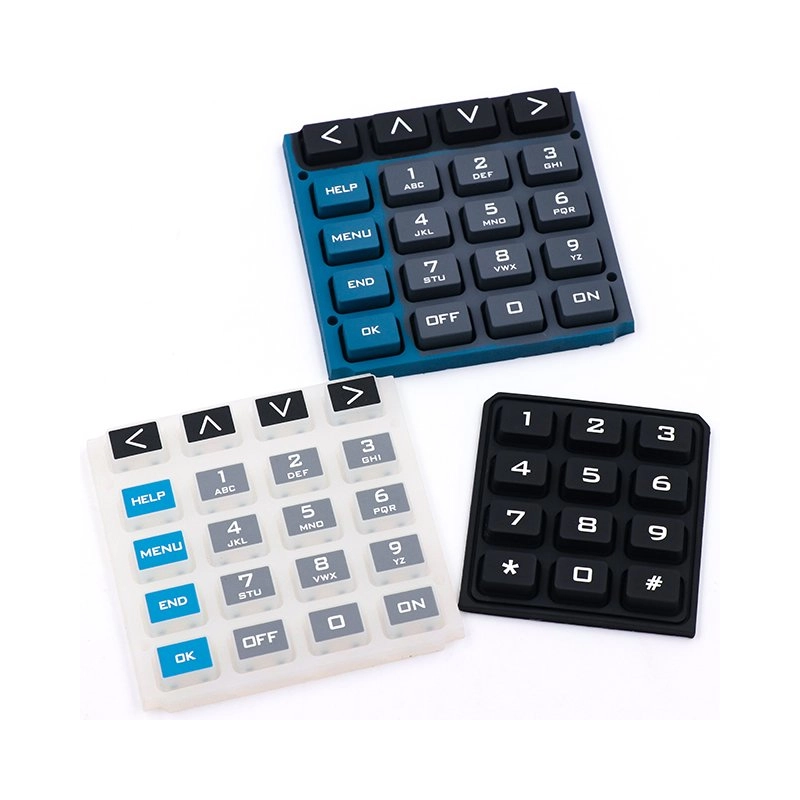
Ready to take your product to the next level? Contact us today to discuss your custom silicone keypad needs. Let us help you build a high-quality, reliable product that meets your business goals.