
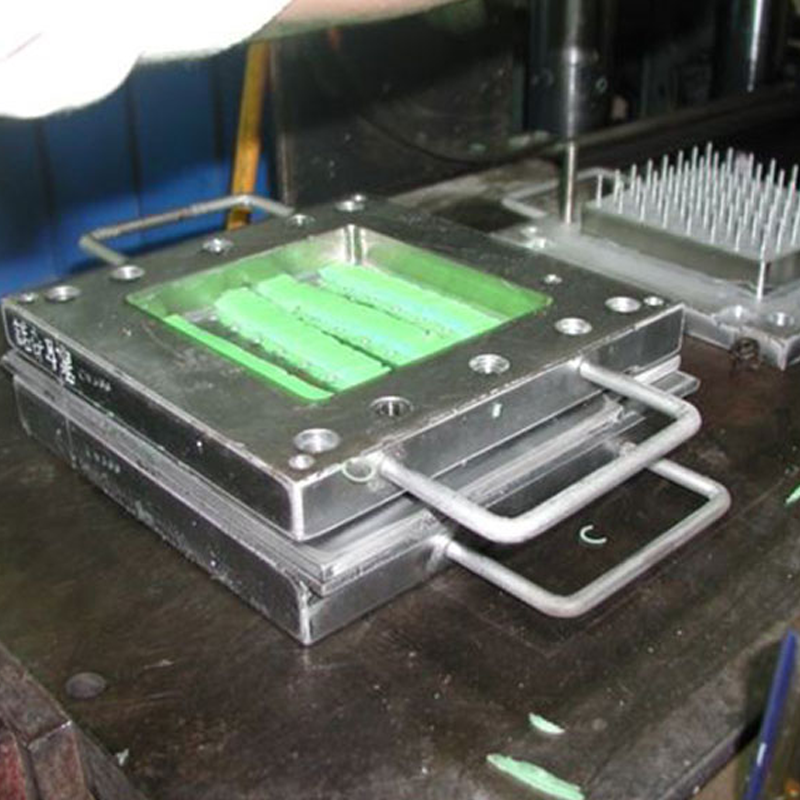
If you’re exploring silicone rubber keypads for your next product—whether it’s a consumer device, industrial controller, medical interface, or dedicated equipment—you’re likely asking the same question we hear from new customers every week at Flykeyboard: How much does it cost to tool a silicone rubber keypad, and what should I expect as an OEM or product developer?
As a high-quality manufacturing factory that has supported thousands of global projects, we understand that early cost visibility is critical for product planning. Many customers contacting us have never worked with silicone keypads before, and our goal is to make your decision-making fast, clear, and confidence-driven. This guide breaks down not just the tooling costs, but also what affects them, what’s included, and how your total project investment is determined.
At Flykeyboard, we provide a one-stop service, including engineering development, mold design, silicone compression tooling, plastic injection tooling (for hybrid keypads), printing, coating, and post-processing—ensuring seamless coordination from concept to mass production. Below is a detailed, manufacturer-level breakdown to help you evaluate feasibility and plan your project with confidence.
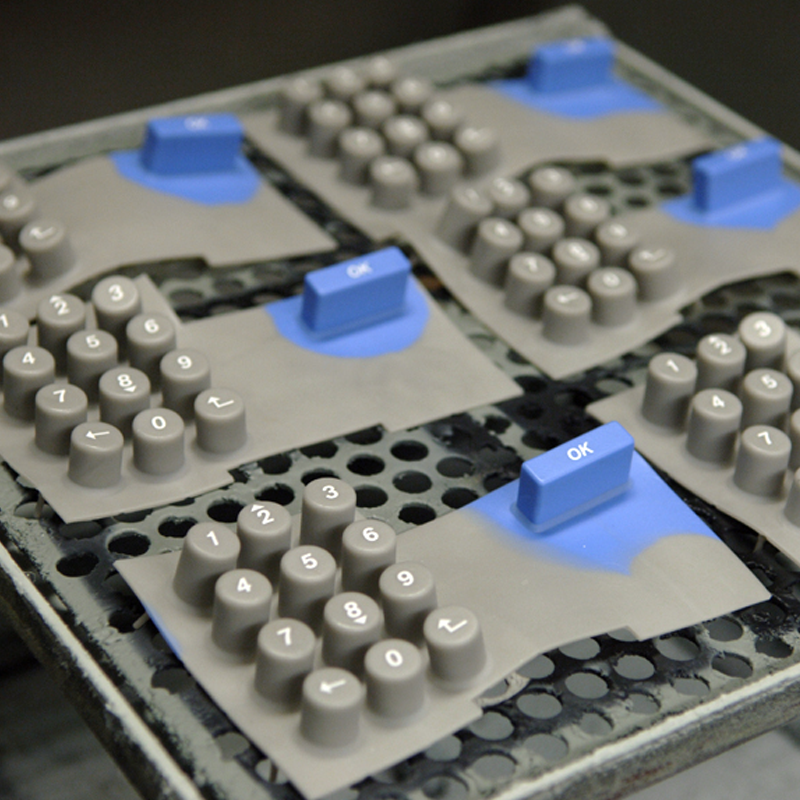
Understanding How Silicone Keypad Project Costs Are Structured
When Flykeyboard generates a quotation for a new silicone keypad project, we separate the estimate into two major components:
1. Development & Tooling (NRE – Non-Recurring Engineering Costs)
This includes:
- Full engineering review and DFM optimization
- Multi-cavity silicone compression mold
- Optional injection mold (for hybrid or CombiKey designs)
- Jigs, fixtures, and silk-screening tools
- Initial sampling and validation
2. Unit Prices (Per-Piece Manufacturing Cost)
This depends on:
- Annual or batch volume
- Mold cavity count
- Number of molding colors
- Number of surface coatings
- Print colors and graphics
- Any specialty post-processing (laser etching, epoxy coating, PU spraying, etc.)
By separating the quote into these two categories, OEMs and buyers can clearly understand the upfront vs. long-term cost structure, making it easy to budget and scale production.
Tooling Costs for Standard Silicone Rubber Keypads
A traditional silicone compression mold is the primary investment for any keypad project. These molds are durable, precision-machined steel tools capable of producing hundreds of thousands of cycles with proper maintenance.
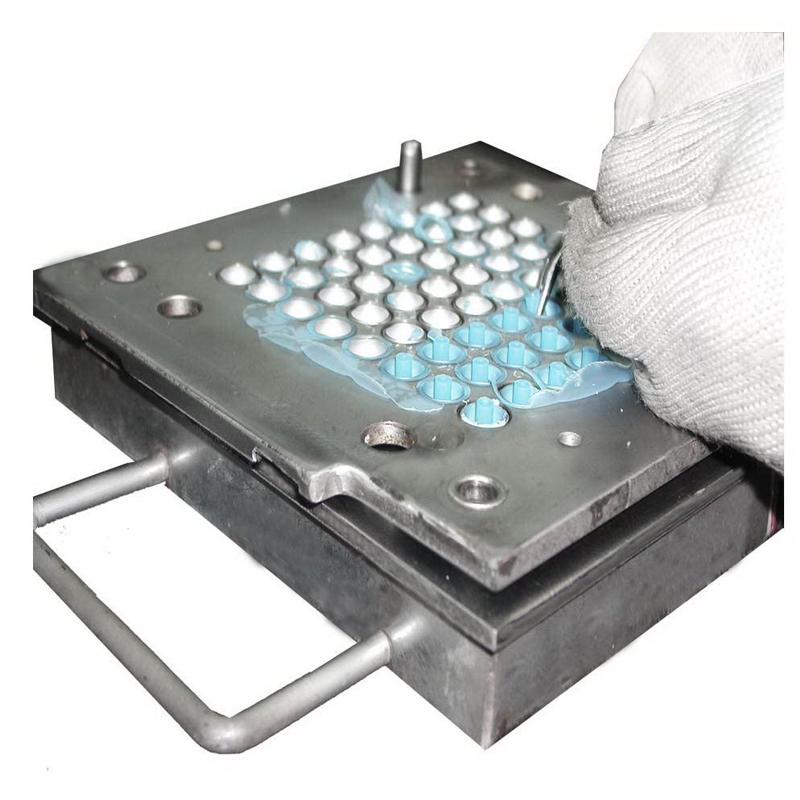
Typical Tooling Cost Range (Standard Silicone Keypads)
- Converted to USD: $3,200 to $5,200 USD
This range covers:
- Multi-cavity compression mold
- Jig and fixture tooling
- Silk-screening plates
- Standard curing and post-curing processes
- A pre-agreed number of initial samples
Every mold is custom-made and exclusive to the customer. As a professional OEM manufacturer, we design molds with longevity and efficiency in mind to help reduce unit cost over time.
What Impacts the Tooling Price?
- Keypad size and overall footprint
- Number of keys and embedded features (web structures, actuators, supports)
- Graphic or print complexity
- Tightness of tolerances (medical and aerospace keypads cost more)
- Backlighting considerations (light pipes, translucent sections)
More complex designs require multi-stage CNC machining, EDM finishing, or additional cavities, which adds to tooling cost—but ensures high-quality, long-life production capacity.
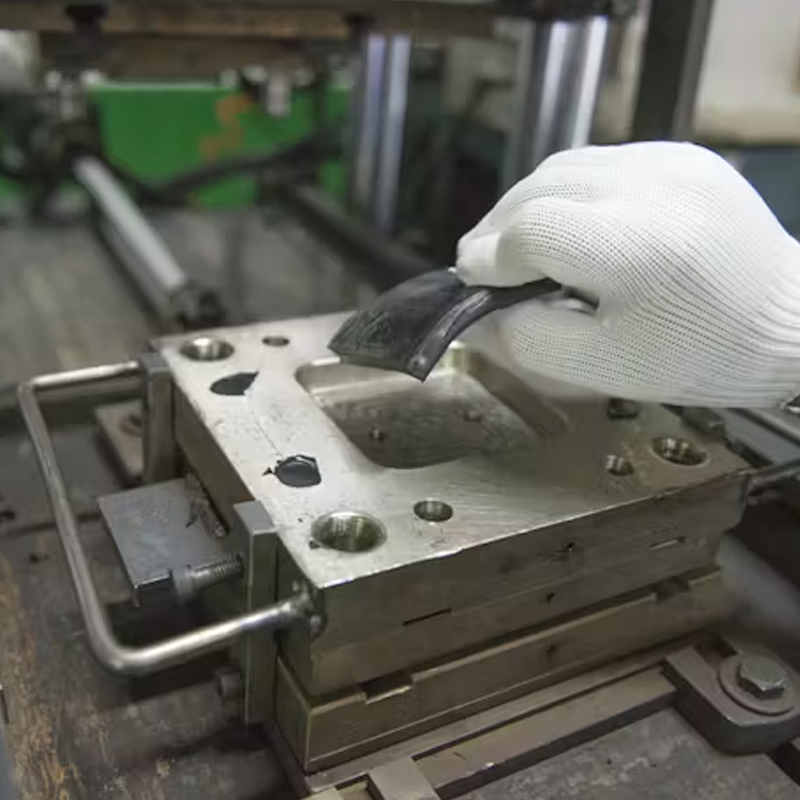
Tooling Costs for CombiKey Hybrid Keypads
A CombiKey keypad integrates silicone with injection-molded plastic components such as keycaps, frames, stabilizers, or support plates. These hybrid designs offer enhanced tactile feel and cosmetic quality—common in high-end equipment.
Typical Tooling Cost Range (CombiKey Keypads)
- Converted to USD: $5,200 to $7,800 USD
This investment is higher because:
- At least one additional plastic injection mold is required
- Alignment jigs for silicone + plastic bonding
- Precise multi-stage molding processes
These hybrid keypads deliver exceptional durability and premium aesthetics, making them a preferred choice for medical, industrial, and consumer electronics OEMs.
Tooling Costs for Plastic + Rubber Keypad Assemblies
For projects involving multiple plastic components, such as the enclosure, hard keycaps, or multi-material assemblies, tooling investment can be significantly higher due to multiple injection molds.
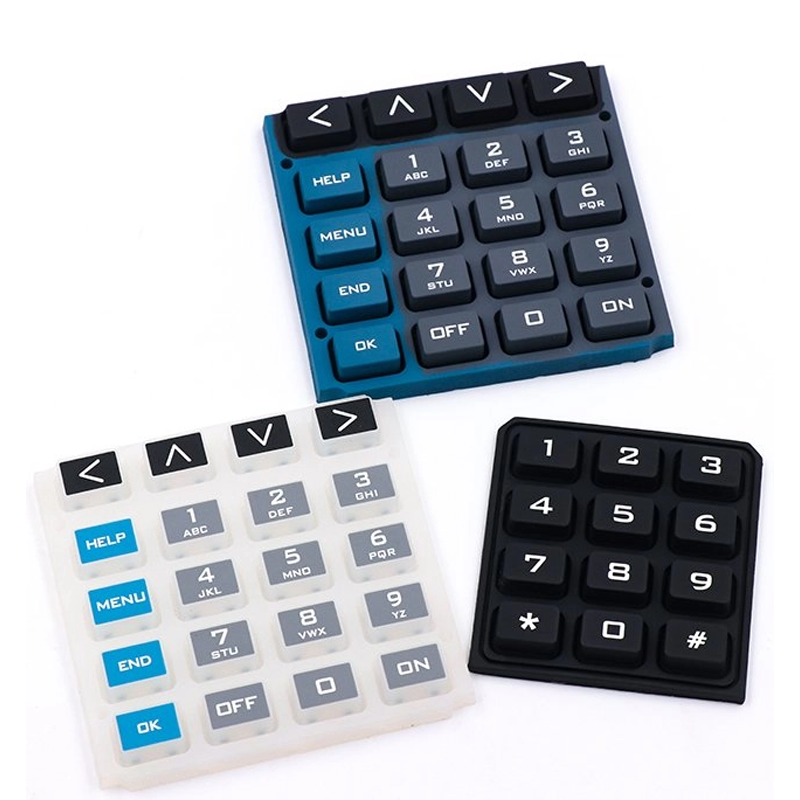
Typical Tooling Cost Range (Plastic + Silicone Keypads)
- Converted to USD: $10,300 to $19,300 USD
This includes:
- Several plastic injection molds
- Silicone compression mold
- Jigs, fixtures, and assembly tools
- Sample validation parts
These projects typically appear in handheld controllers, remote devices, or premium equipment interfaces requiring complex construction.
Understanding Unit Costs
Once tooling is completed and validated, unit cost is determined based on:
1. Cavity Count in the Mold
More cavities = lower per-piece cost.
2. Number of Colors in the Silicone Molding Process
Each color requires additional material prep and separate molding operations.
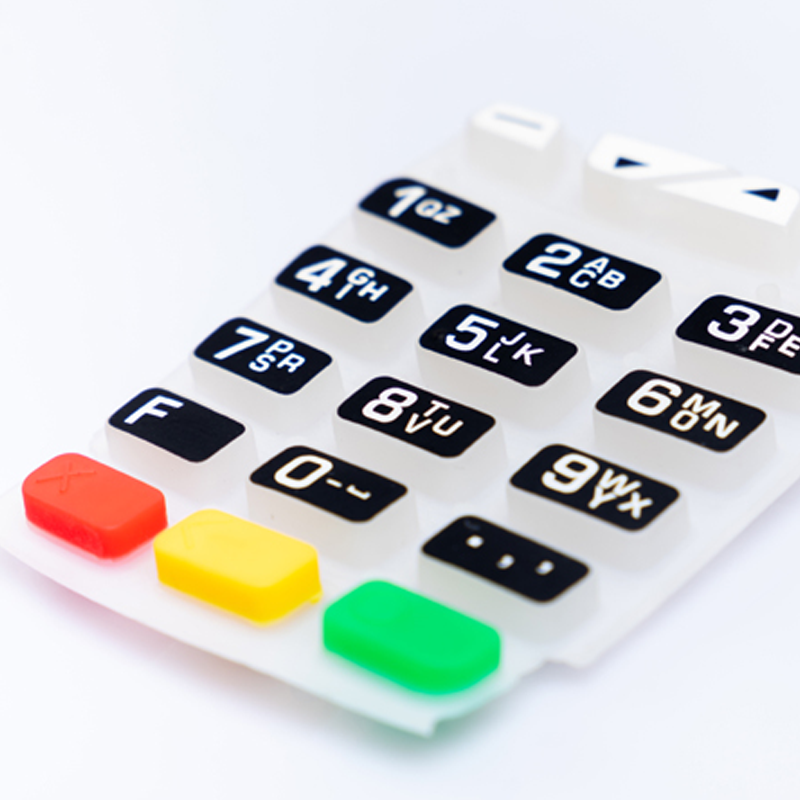
3. Graphic & Print Requirements
- Screen printing
- Pad printing
- Multi-layer legends
- Laser etching + backlighting
- Epoxy or PU coatings
4. Special Finishing Processes
- UV coating
- Matte or gloss finish
- Wear-resistant coatings
- Conductive carbon pills
- LED or light-guide integration
5. Order Quantities
Higher volume = lower unit cost.
Flykeyboard can schedule monthly or quarterly shipments for long-term OEM customers to help reduce storage pressure and smooth out cashflow.
How Flykeyboard Helps Reduce Total Project Investment
As a professional keypad manufacturer and OEM supplier, we do more than build molds—we optimize your entire design for cost, performance, and manufacturability.
Here’s how our engineering team helps you save:
- Reduce the number of cavities without affecting performance
- Combine legends or simplify print layers
- Optimize web structure for better tactile feel
- Recommend lower-cost materials when appropriate
- Simplify part geometry for faster curing
- Engineer components for seamless assembly
- Provide rapid prototypes for functional testing
Every recommendation is grounded in real factory conditions and decades of production experience. Our mission is to help every customer—whether a startup or global OEM—achieve the best balance of performance and cost.
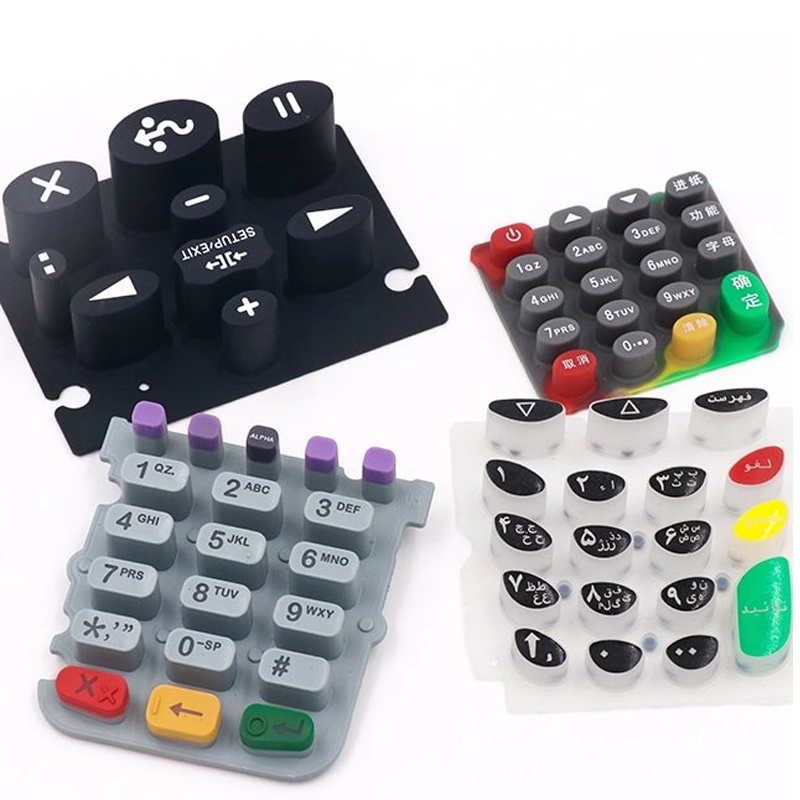
Why Work With Flykeyboard?
Choosing the right manufacturer for silicone keypads isn’t only about price—it’s about reliability, repeatability, and production expertise.
We differentiate ourselves through:
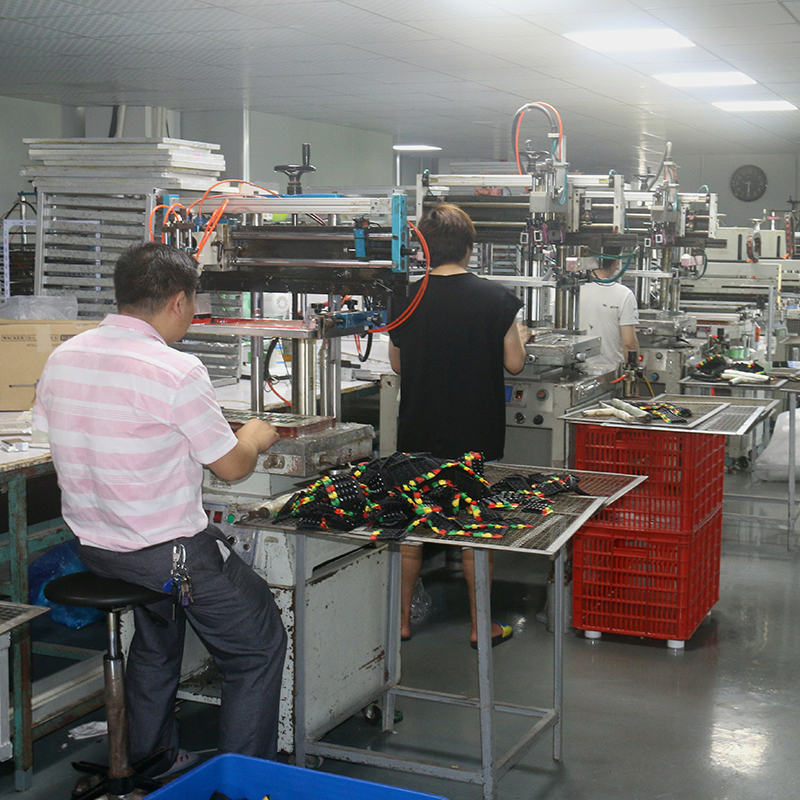
- High-quality manufacturing backed by advanced equipment
- True OEM service, from design to mass production
- One-stop service, including silicone molding, plastic injection, printing, coating, assembly, and packaging
- Direct-from-factory pricing without trading-company markups
- Professional engineering support at every development stage
- Strict quality control for stable long-term supply
- Trusted suppliers for world-class raw materials
Final Thoughts
We hope this detailed breakdown gives you a clear picture of the costs involved in tooling and manufacturing silicone rubber keypads. At Flykeyboard, our team is always ready to walk you through your design, offer expert advice, and provide transparent costing—so you can move forward confidently and efficiently.
If you’re evaluating whether a silicone rubber keypad is the right choice for your product, or if you’re ready to begin development, we’d love to support you. Contact our engineering team today, and let’s start building a high-quality OEM keypad solution tailored to your exact needs.