
In industries like healthcare and food services, cleanliness is paramount. Contaminated surfaces can lead to serious issues—whether it’s the spread of infections in a hospital or the contamination of food products in a restaurant. That’s why antibacterial solutions are becoming increasingly popular in the design of everyday equipment, including silicone rubber keypads. These ubiquitous, tactile devices can be found in everything from medical devices to kitchen appliances, and they must be not only durable and user-friendly but also safe and hygienic. Let’s take a deep dive into how we can customize silicone rubber keypads to be antibacterial, making them suitable for these critical industries.
Understanding Antibacterial Silicone Rubber Keypads
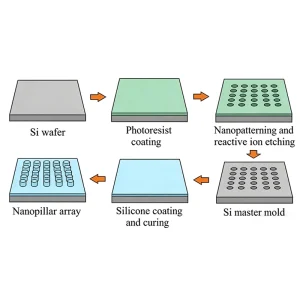
Silicone rubber is already known for its flexibility, durability, and resistance to wear and tear. However, in environments like healthcare and food processing, these qualities are not enough. Keypads need to resist bacterial growth and microbial contamination. So, how can silicone be customized to perform even better in these demanding applications? The answer lies in incorporating antibacterial agents and advanced manufacturing techniques.
Incorporating Antibacterial Agents
One of the primary methods to make silicone keypads antibacterial is by embedding antimicrobial agents directly into the silicone material. These agents typically include substances like silver ions, copper, or zinc oxide, which are known for their ability to disrupt bacterial growth. When incorporated into the silicone rubber, these agents inhibit microbial growth on the surface of the keypads, reducing the risk of contamination and infection.
-
Silver Ions: Silver has been used for centuries for its antimicrobial properties. When silver is embedded in silicone, it works by releasing silver ions that interfere with bacterial cell functions. This prevents bacteria from multiplying and thriving on the surface of the keypad.
-
Copper and Zinc Oxide: Like silver, copper and zinc also have proven antimicrobial properties. Copper can damage bacterial cell membranes, while zinc oxide disrupts their ability to reproduce, both contributing to a cleaner environment.
The Role of Antimicrobial Coatings
If embedding antibacterial agents in the silicone isn’t a feasible option, another method is to apply antimicrobial coatings to the surface of the keypad. These coatings form a protective layer that actively kills bacteria upon contact. The coatings can be sprayed or brushed onto the surface of the keypad during manufacturing, providing an additional level of protection against harmful microbes.
For medical devices, antimicrobial coatings are often made from a combination of metals like silver or copper, or other biocides that are effective against a broad range of pathogens, including MRSA, E. coli, and Salmonella. These coatings ensure that even if bacteria come into contact with the keypad, they are neutralized before they can cause any harm.

Manufacturing Techniques to Enhance Hygiene
Aside from the choice of materials and antimicrobial agents, the manufacturing process itself can play a crucial role in ensuring that silicone rubber keypads meet the highest hygiene standards.
-
Cleanroom Manufacturing: In environments like hospitals, cleanliness is critical. To prevent any contamination during the production of antimicrobial silicone keypads, they are often manufactured in cleanroom facilities. This ensures that no unwanted particles or contaminants are introduced to the surface during production.
-
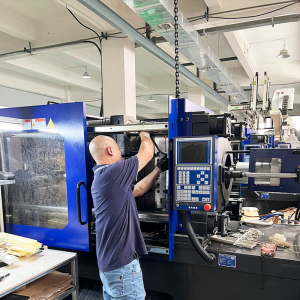
Liquid Silicone Injection Molding: This technique allows for precision and consistency in the final product. Liquid silicone rubber (LSR) is injected into a mold at high pressure, ensuring that every keypad is free from imperfections where bacteria could potentially hide. The smooth, non-porous surface created through this molding process helps in maintaining a sanitary product.
-
Surface Texturing and Polishing: A smoother surface helps limit the number of areas where bacteria can take root. By adding fine texture patterns or polishing the surface of the keypad, manufacturers can reduce bacterial retention points. Less surface texture also makes it easier to clean and sanitize the keypads regularly.
Applications in the Medical Industry
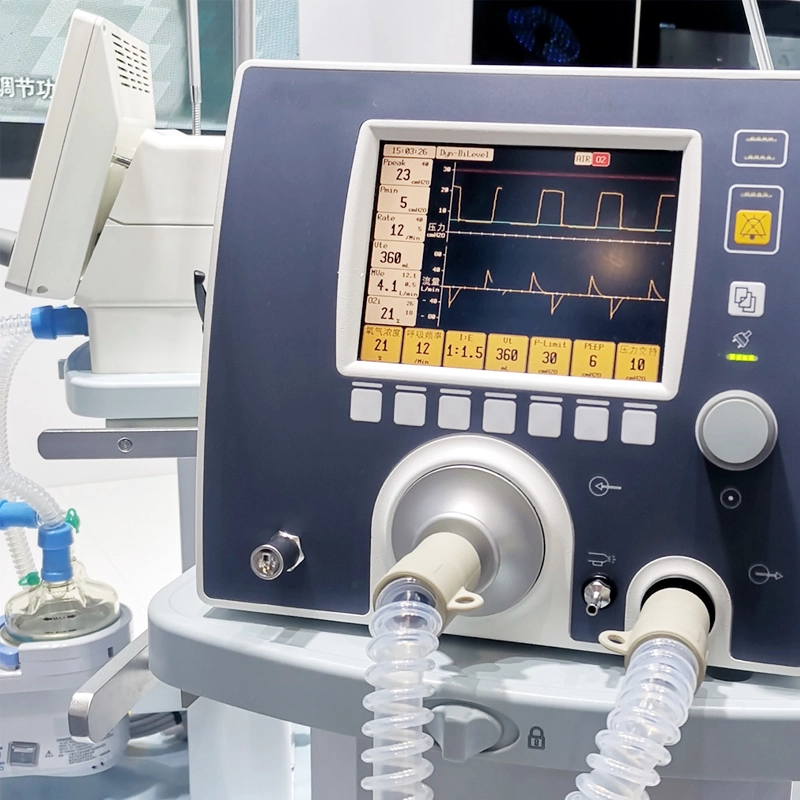
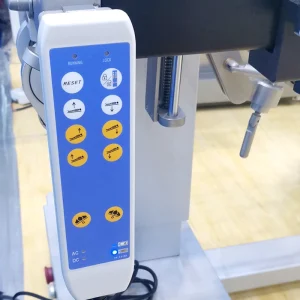
In medical devices, particularly those used in surgeries or in patient care, silicone rubber keypads with antibacterial properties are becoming more crucial. Devices like ventilators, infusion pumps, and diagnostic equipment are often handled by medical professionals who need to keep their tools free from bacteria and other pathogens. Inserting antibacterial properties into these keypads helps reduce the chances of cross-contamination, thus lowering the risk of healthcare-associated infections (HAIs).
A keypad on a hospital bed or infusion pump can make contact with patients’ hands, and if it’s not antibacterial, it could easily become a vector for bacteria to enter the bloodstream. By using silicone keypads infused with antimicrobial agents, manufacturers ensure these devices are hygienic and safe to use in sensitive environments.
Applications in the Food Industry
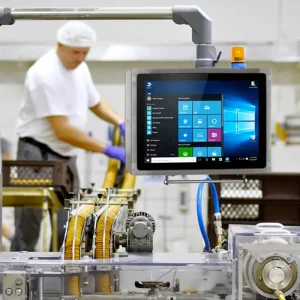
In food production or processing, hygiene is even more critical. Contaminants on surfaces, including keypads on food processing machines, can lead to the contamination of food products and potential foodborne illnesses. Antibacterial silicone rubber keypads are ideal for applications like food packaging machines, beverage dispensers, or any touch-based systems involved in food handling.
Silicone rubber keypads in food environments can be easily cleaned, but when they are designed with antibacterial properties, they give an additional layer of protection against bacterial build-up. This is particularly important for food equipment that is exposed to high levels of moisture, which creates a breeding ground for bacteria.
Why Flykeyboard’s Customization Services Stand Out
At Flykeyboard, we specialize in creating high-quality, durable silicone rubber keypads that can be customized to meet the strictest standards of hygiene for both medical and food industries. Our team leverages cutting-edge techniques and materials to create keypads that not only perform well under pressure but also resist bacterial growth. Whether you need keypads with silver ion infusion or an antimicrobial coating, we have the expertise and technology to deliver.
Our manufacturing processes, like cleanroom facilities and precision molding, guarantee that our keypads are free from contamination, ensuring they meet industry standards. With Flykeyboard, you don’t just get a product; you get peace of mind knowing that your devices are both functional and hygienic.
Conclusion
Antibacterial silicone rubber keypads are a critical component for industries that prioritize cleanliness, hygiene, and safety—especially medical and food sectors. By incorporating antimicrobial agents, advanced manufacturing techniques, and innovative coatings, silicone keypads can be customized to reduce the risk of bacterial contamination. Flykeyboard’s commitment to quality and hygiene makes us the ideal partner for your keypad customization needs, ensuring that your products meet the highest standards of safety and reliability.