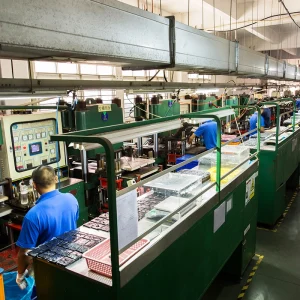
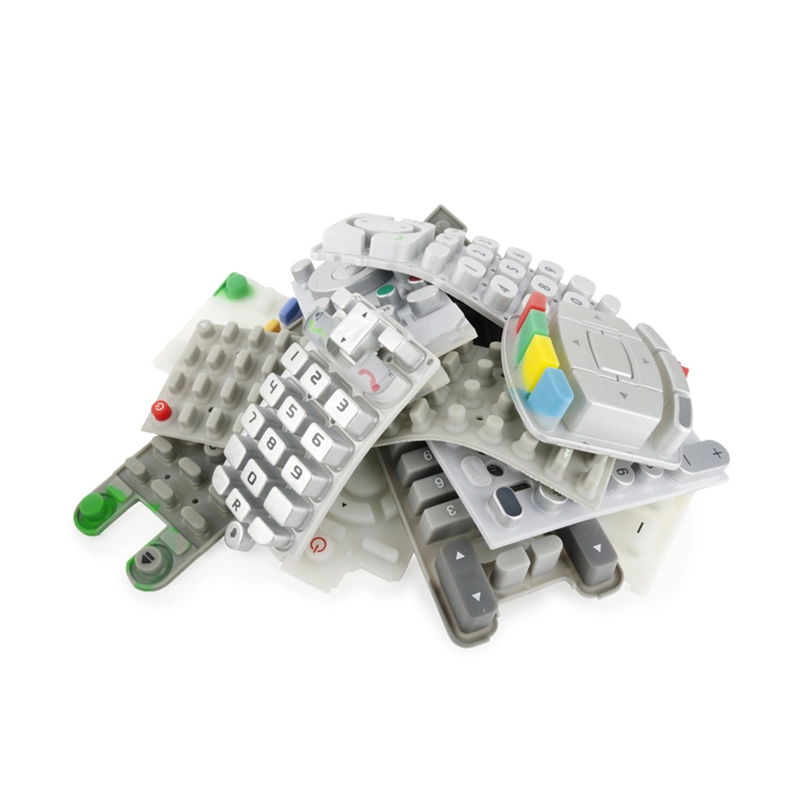
When designing silicone buttons, whether it’s for consumer electronics, automotive controls, or industrial devices, one major challenge often lurks behind the scenes: moisture intrusion. It’s one of those silent killers that can wreak havoc on the functionality and lifespan of your devices. So how do you ensure your silicone buttons stay dry, no matter the environment? We’ve got some specialized solutions that go beyond the usual waterproofing techniques, and we’ll dive into those in this post. Plus, we’ll show you how Flykeyboard, a leader in precision manufacturing, tackles this issue with cutting-edge methods to keep moisture out and performance high.
Let’s dig deeper into the science and engineering behind creating moisture-resistant silicone buttons!
Why Moisture Intrusion Is More Than Just a Nuisance
Silicone buttons are favored for their tactile feel, flexibility, and durability. But, let’s face it: they are also incredibly porous. Moisture doesn’t need much of an invitation to make its way inside, especially in harsh conditions like extreme humidity, outdoor environments, or accidental spills.
So why should you care? Moisture intrusion can cause:
-
Corrosion of Components: Water can cause metal parts within the buttons to rust, leading to electrical shorts or complete failure.
-
Loss of Tactile Response: Even small amounts of moisture can affect how the button feels when pressed, creating sluggish or unresponsive buttons.
-
Electrical Damage: If moisture reaches the internal electronics, it can lead to failure or performance degradation, sometimes in unpredictable ways.
These issues aren’t just theoretical. They can lead to downtime, customer dissatisfaction, and potentially costly repairs. So, let’s explore some advanced, highly effective strategies that go beyond the basics.
6 Specialized Solutions to Prevent Moisture Intrusion in Silicone Buttons
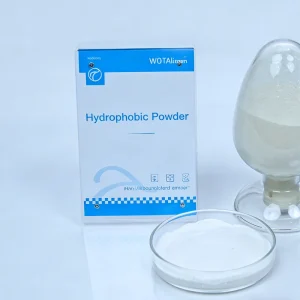
1. Advanced Silicone Compounds with Hydrophobic Additives
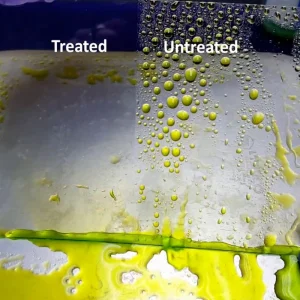
Beyond standard silicone, look into hydrophobic silicone compounds. These specialized materials are engineered to repel water molecules rather than merely resist them. Some manufacturers incorporate fluorosilicone or silicone blends treated with water-repelling additives, making them ideal for environments with extreme moisture or condensation. These compounds help form an invisible moisture barrier at the molecular level, drastically reducing the risk of intrusion.
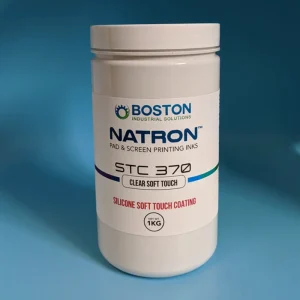
2. Nano-coatings for Ultra-Waterproofing
Enter the world of nano-coatings. These microscopic layers can be applied to the surface of your silicone buttons after they’ve been molded. Nano-coatings create an ultra-thin, hydrophobic surface that repels water and prevents moisture from reaching the underlying electronics. These coatings are practically invisible, maintaining the appearance of the button while adding a robust layer of protection. Nano-coatings are often used in military-grade electronics or in smartwatches, where moisture is a constant concern.
3. Integrated Desiccant Compartments
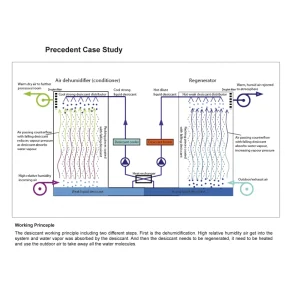
This is a bit more innovative: desiccant integration. While you can certainly use silica gel packs in your devices, a more integrated approach is to include a small desiccant compartment within the button housing. This compartment absorbs any moisture that might make its way into the casing, preventing it from affecting the internal electronics. These compartments can be built into the mold itself, ensuring that they don’t take up much space but still add a valuable layer of protection.
4. Laser-Welded Seals for Impervious Barriers
One of the most advanced methods for creating moisture-proof silicone buttons is laser welding. This process involves using a laser to bond silicone to other materials (such as plastics or metals) at the molecular level. The result is a nearly impermeable barrier that ensures water won’t get through. Laser welding also enhances the strength of the seal, making it much more reliable than traditional adhesive methods, especially under harsh conditions like high heat or cold.

5. Hydrophilic Coating for Self-Healing
Another cutting-edge solution is hydrophilic coatings that can self-repair. If the silicone button surface is scratched or damaged, these coatings activate when exposed to moisture, forming a protective layer that restores the button’s waterproofing capabilities. It’s like giving your silicone buttons a second chance when the going gets tough. This technology is still evolving, but it’s an exciting area to explore for high-end consumer electronics.
6. Redesigned Drainage and Venting Channels
Sometimes the key to moisture resistance isn’t about keeping the moisture out, but ensuring that it doesn’t accumulate in the first place. For high-performance products, consider incorporating drainage channels or venting systems. These can allow moisture that finds its way into the button to escape through specialized pathways, preventing it from pooling and causing problems. Flykeyboard, for example, designs buttons with integrated vent channels that allow for air circulation, ensuring that even if moisture gets in, it won’t stay.
Why Choose Flykeyboard for Your Moisture-Resistant Silicone Buttons?
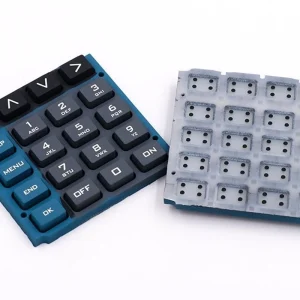
At Flykeyboard, we’re experts in creating durable, moisture-resistant silicone buttons,experts in creating durable, moisture-resistant silicone buttons, including instrument silicone rubber keypads, automotive rubber keypad buttons, and remote control rubber keyboard. Our manufacturing process integrates state-of-the-art technology, including advanced silicone materials, laser welding, and nano-coating applications, to ensure that our buttons perform under the toughest conditions. Whether you’re creating outdoor electronics, medical devices, or industrial controls, we have the expertise and tools to keep moisture from interfering with your designs.
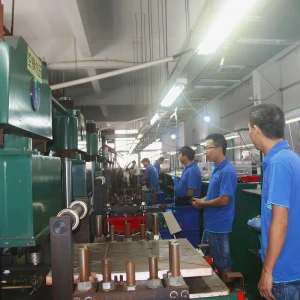
We don’t just make buttons; we make sure those buttons keep performing—no matter the conditions. Our dedicated engineers and quality control teams work closely with clients to develop solutions tailored to your specific moisture-resistance needs. We offer everything from custom molding to post-manufacturing testing to ensure every button is as resilient as possible.
Conclusion: Protect Your Silicone Buttons with Advanced Moisture Solutions
Moisture intrusion in silicone buttons isn’t a problem that can be solved with a simple sealant or waterproof cover. To truly protect your devices and ensure their longevity, you need to think outside the box and explore advanced engineering solutions. From hydrophobic additives to self-healing coatings, these innovations provide powerful ways to keep your buttons dry and responsive.
And when you’re ready to take your silicone buttons to the next level, Flykeyboard is here to help. With our cutting-edge techniques and specialized expertise, we can ensure your products are built to withstand the harshest environments without compromising on performance.