
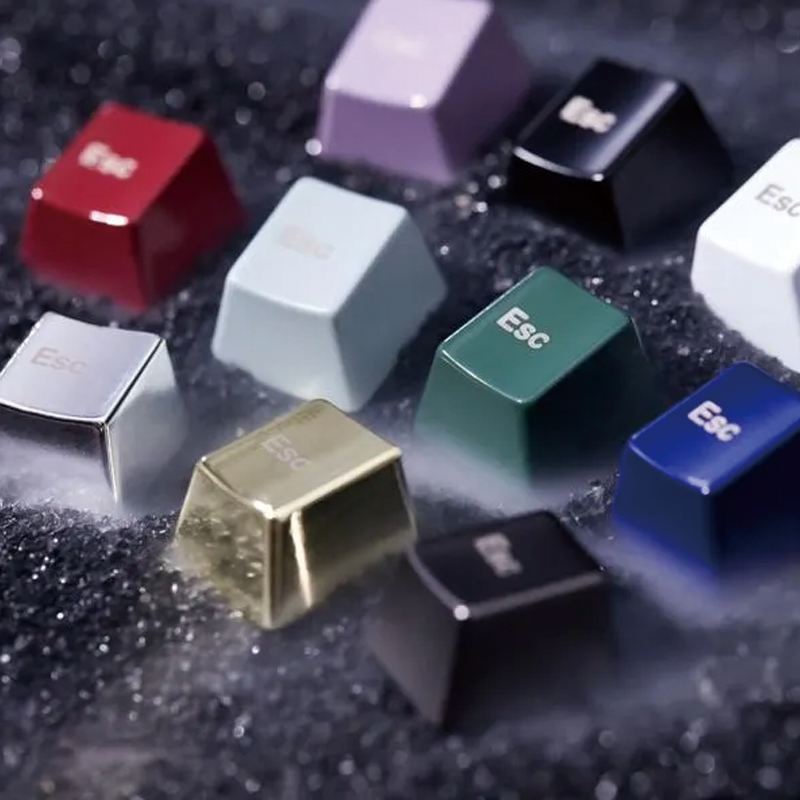
If you’re deciding between metal and plastic for a new part or enclosure, you’re not alone — it’s one of the most impactful design choices you’ll make. At Flykeyboard, we help product teams make that decision every day. Whether you need a lightweight consumer enclosure, a structural bracket, or a precision housing for electronics, the right material choice affects performance, manufacturability, cost, supply chain, and sustainability. Below we break down the trade-offs so you can choose with confidence — and if you’d like, our factory can evaluate your design as part of an OEM service or custom service program.
Key factors that should guide your decision
Selecting metal or plastic depends on more than just strength or price. Consider these variables early in the design phase — they affect tooling, lead time, testing requirements, and total cost of ownership:
- Functional requirements: load-bearing, impact resistance, thermal stability, electrical conductivity, chemical exposure.
- Regulatory/industry standards: medical, food-contact, aerospace certifications drive material selection.
- Manufacturing volume: prototyping vs. short runs vs. mass production.
- Cosmetics & finishing: texture, color consistency, or metallic appearance.
- Supply chain & sourcing: availability of raw materials and your suppliers’ capacity.
- Sustainability goals: recycled content, recyclability, carbon footprint.
Mechanical and thermal properties — what metals do best
Metals excel when you need structural strength, stiffness, and high-temperature performance.
Strength & stiffness
Alloys such as steel, aluminum, brass, and titanium deliver predictable mechanical performance. For heavy loads, long spans, or thin-section structural parts, metal is often the safer choice.
Thermal resistance & conductivity
Metals maintain dimensional stability at high temperatures and conduct heat, which is useful for heat sinks, housings for power electronics, and engine components.
Fatigue & wear
When designed properly, metallic parts resist wear and handle repetitive loading better than many commodity polymers.
Finishing & secondary operations
Metals accept a wide range of finishes — anodizing, plating, powder coating, painting, polishing — and can be machined or ground to tight tolerances after casting or stamping.

Why plastics are often the smarter choice — not just “cheaper”
Modern engineering plastics can match or even outperform metals in many applications when selected and designed correctly.
Design flexibility
Injection molding and thermoforming let you produce complex, near-net shapes that would need many machining steps in metal. Integrating clips, ribs, bosses, and undercuts saves assembly time and cost.
Lightweight & corrosion resistance
Plastics like PEEK, PEI, Nylon, and glass-filled composites offer high strength-to-weight ratios and excellent chemical resistance — ideal for consumer products, medical devices, and many automotive interiors.
Color & finish built-in
Unlike metal, plastics can be colored throughout the material and molded with varied textures. That reduces painting steps and improves cosmetic durability.
Cost at scale
Although plastic tooling can be expensive, per-part cost for high-volume injection molding is typically lower than metal casting + machining. For high annual volumes, plastics often win on cost-per-part.
Specialty engineering grades
High-performance polymers (PEEK, PTFE, PEI) offer temperature and mechanical performance that close the gap with metal for specific use cases.
Manufacturing methods and implications
Your choice of material determines the production process and impacts lead time, tolerances, and cost structure.
Common metal processes
- Die casting (aluminum, zinc): fast for complex shapes, good surface finish, but requires machining for critical features.
- Stamping: ideal for thin-sheet parts in high volume.
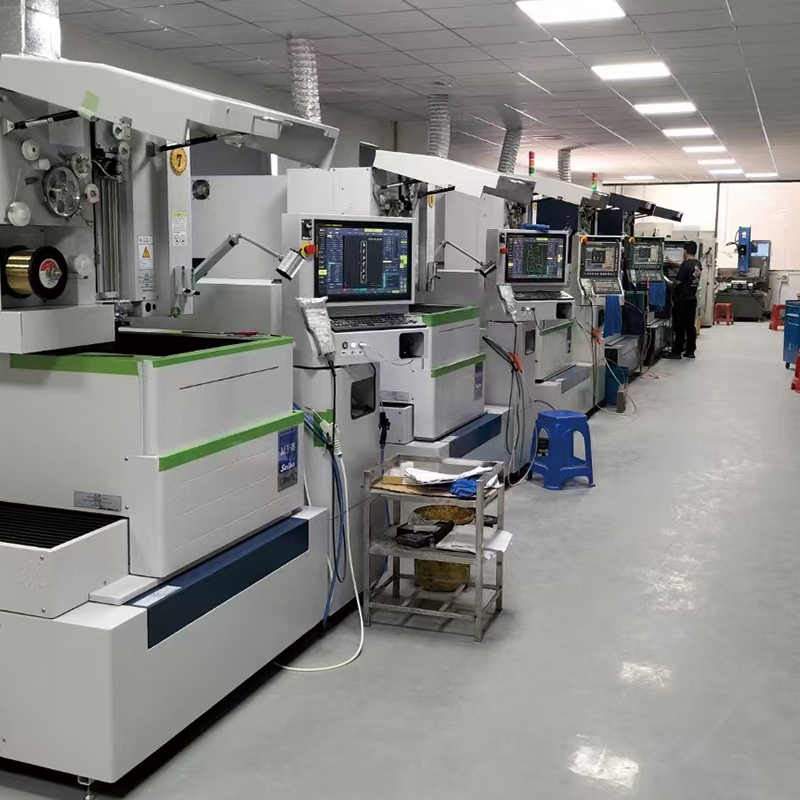
- CNC machining: excellent tolerances and prototyping flexibility but higher per-part cost.
- Forging & extrusion: for high-strength, directional material properties.
Common plastic processes
- Injection molding: best for large-volume, high-repeatability parts; allows integrated features.
- Thermoforming & blow molding: large, thin-wall components (e.g., housings).
- CNC machining & 3D printing: rapid prototyping and low-volume production with many polymer choices.
- Overmolding / insert molding: combine hard substrates and soft elastomers in one part.
DFM tip (from our engineers): choose material and process together. A small geometry tweak in the CAD can eliminate costly machining or allow the use of a standard mold base, saving tens of thousands in tooling and months in lead time.
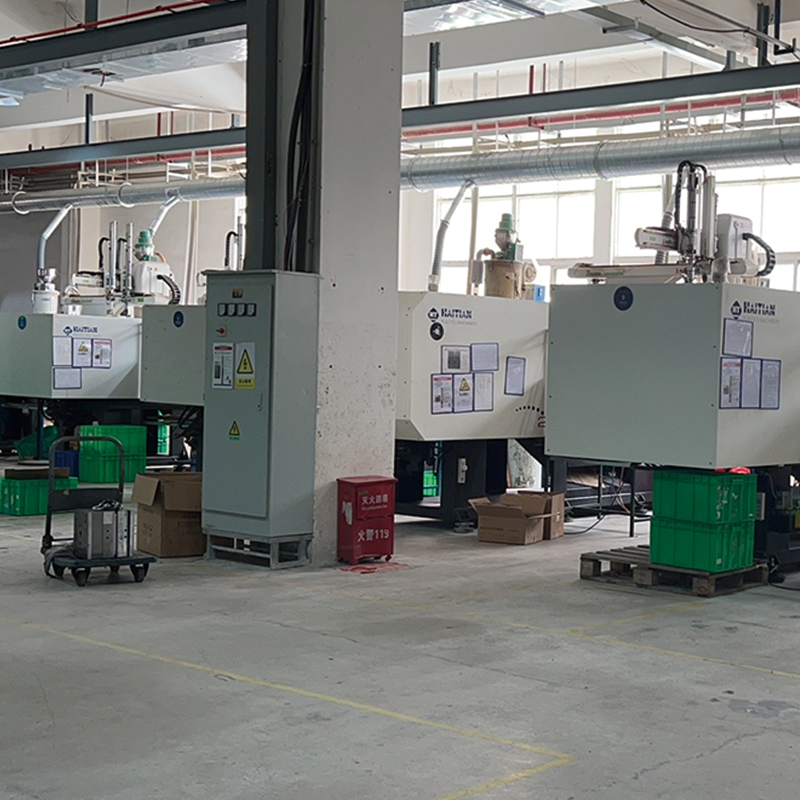
Performance comparisons — when to pick metal vs. plastic
- High structural load or extreme temperature: metal.
- Complex geometry, integrated snaps/hinges, or color matching: plastic.
- Excellent EMI shielding or electrical conduction needed: metal.
- Corrosion-resistance in wet/chemical environments: plastic or corrosion-resistant alloys.
- Mass-produced decorative parts: plastic for consistent color and texture.
- Repairable or recyclable after end-of-life: metals generally recycle more efficiently, but certain plastics (and recycled suppliers) close the gap.
Cost considerations — material, tooling, and total cost of ownership
Upfront tooling and capital
- Metal tools (dies, molds for forging) and die-cast tooling can be expensive but amortized over large volumes.
- Plastic injection molds are also capital-intensive; however, aluminum prototype molds or family molds can reduce initial investment.
Per-part unit cost
- For small to medium volumes (up to several thousand), CNC machining in metal or plastic often makes sense.
- For high volumes (tens of thousands+), injection molding (plastic) or die casting (metal) becomes cost-effective.
Secondary operations
Metal parts may need machining, deburring, or plating after casting — adding cost. Plastic parts may need painting or plating for metallic looks. Compare total processing steps, not just base material price.
Logistics costs
Metal parts are heavier, increasing shipping and handling costs. For consumer electronics or portable products, plastics reduce freight costs.
Supply chain, sustainability, and sourcing
Raw-material volatility
Plastic feedstocks are tied to oil/gas markets and subject to price swings. Metals are influenced by mining, recycling availability, and global demand.
Recyclability
Aluminum and steel are highly recyclable with mature supply chains. Plastics are recyclable too, but rates and infrastructure vary by polymer and region. At Flykeyboard, we work with certified suppliers to source reclaimed plastics when customers request sustainable options.
Local suppliers and OEM service
Choosing materials with reliable local suppliers shortens lead times and strengthens quality control. As an OEM service provider and factory partner, Flykeyboard can help validate supplier certifications and advise on recyclable or bio-based polymer options.
Real-world case: enclosure choice
A customer designing an electronics enclosure often faces a metal vs. plastic choice. Metal gives a premium feel and EMI shielding, but costs more and increases weight. Plastic allows integrated clips, color control, and lower shipping costs. We typically prototype both and run a cost/DFM review — then recommend the solution that balances function, looks, and unit economics. That’s the Flykeyboard difference: hands-on DFM reviews, prototype iterations, and full one-stop service from tooling to assembly.
Final checklist before you decide
- List must-have functional requirements (temperature, load, conductivity).
- Estimate annual volume and run a tooling amortization model.
- Define cosmetic and finish needs (coating vs. colored resin).
- Map suppliers and certification needs (medical, food contact, aerospace).
- Validate recyclability & sustainability goals with your supply partners.
- Request prototype samples in both materials where feasible and test in real conditions.
If you’d like, Flykeyboard can run a free initial DFM assessment on your part file, compare a metal and plastic variant, and produce prototype samples for side-by-side evaluation. As an experienced manufacturer and OEM service provider, our factory supports custom service, tooling, molding, finishing, and assembly — delivering a one-stop service from design review to mass production. Contact our team and let’s find the best material choice for your product together.