
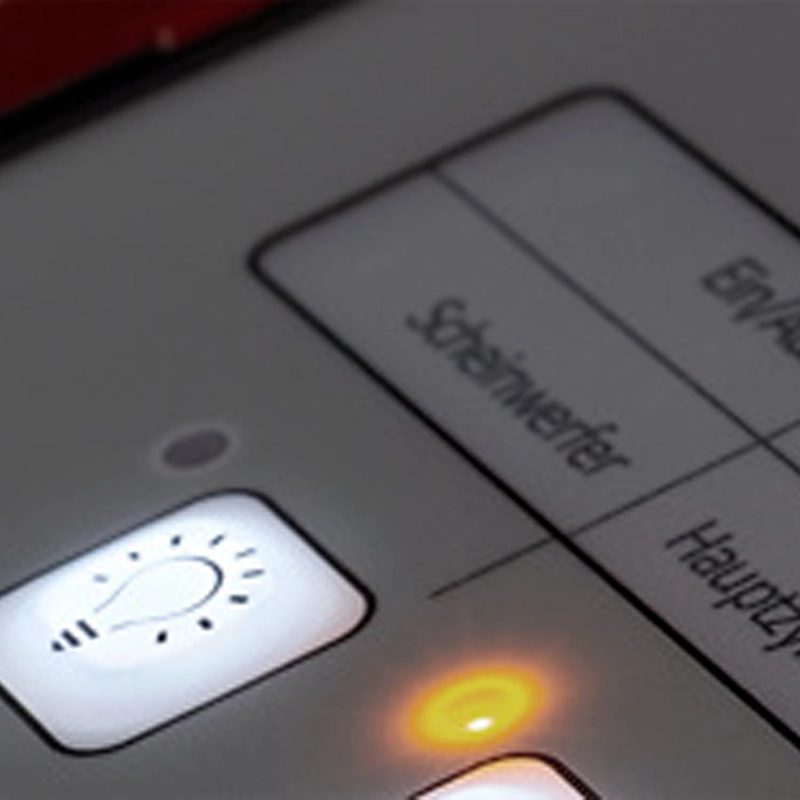
Keypads are essential components in many devices we use every day, from household appliances to medical equipment. But did you know that not all keypads are created equal? They can be categorized into two types based on their electrical properties: conductive and non-conductive keypads. Understanding the difference between these two types is important, especially when choosing the right keypad for your product.
What Are Conductive Keypads?
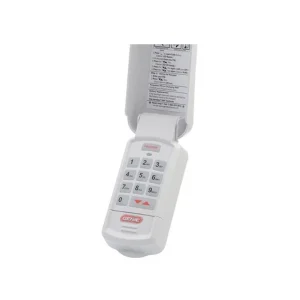
Conductive keypads are keypads that allow electricity to flow through them when pressed. These keypads are made using conductive materials, which typically consist of carbon or silver-based conductive ink. When you press a key on a conductive keypad, the conductive material creates an electrical connection, triggering a signal that is sent to the device it’s controlling.
Conductive keypads are often used in applications where precise electrical feedback is required. For example, medical devices, industrial equipment, and consumer electronics frequently use conductive keypads because they can be more reliable for generating signals. They’re ideal for situations where durability and performance under different conditions (like temperature changes or humidity) are critical.
At Flykeyboard, we ensure that our conductive keypads meet the highest industry standards, providing consistent performance and long-lasting durability.
What Are Non-Conductive Keypads?
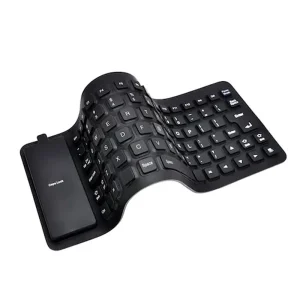
On the other hand, non-conductive keypads don’t allow electricity to flow through them when pressed. Instead, these keypads rely on mechanical switches(Automotive switches) or membrane-based designs to register a keypress. Non-conductive keypads often use materials like silicone or polyester for the membrane. These materials don’t conduct electricity; instead, they work through a pressure-sensitive mechanism or capacitive touch technology.
Non-conductive keypads are generally used in applications where electrical conductivity is not needed or desired. For example, home appliances, microwave ovens, and simple electronic gadgets often use non-conductive keypads. These keypads are typically more flexible and can be molded into various shapes, making them ideal for consumer electronics that require tactile feedback but don’t need to transmit electrical signals.
Key Differences Between Conductive and Non-Conductive Keypads
Now that we’ve covered the basics, let’s summarize the key differences between conductive and non-conductive keypads:
-
Electrical Conductivity:
-
Conductive keypads allow electricity to flow through them when pressed, creating an electrical connection.
-
Non-conductive keypads do not conduct electricity and rely on mechanical or capacitive switches to register a press.
-
-
Materials Used:
-
Conductive keypads typically use carbon or silver-based conductive ink to create the electrical pathways.
-
Non-conductive keypads are made from silicone, polyester, or other flexible materials that don’t allow electricity to pass through.
-
-
Applications:
-
Conductive keypads are used in more advanced applications that require precise electrical control, like medical equipment, industrial machines, and high-performance electronics.
-
Non-conductive keypads are ideal for simpler devices like household appliances and gadgets where electrical conductivity isn’t necessary.
-
-
Flexibility and Durability:
-
Non-conductive keypads are often more flexible, easier to mold, and less prone to wear, making them perfect for consumer electronics.
-
Conductive keypads are highly durable and provide more accurate feedback for complex systems but may not be as flexible as non-conductive designs.
-

Why Choose Flykeyboard?
At Flykeyboard, we specialize in producing both conductive and non-conductive keypads tailored to meet the unique needs of our clients. Whether you’re looking for conductive keypads for industrial equipment or non-conductive keypads for consumer devices, our team is dedicated to delivering high-quality solutions that are durable, functional, and cost-effective. We use cutting-edge manufacturing techniques to ensure that each keypad meets the highest standards in terms of performance and reliability.