
Choosing the right material for a silicone keypad is far more important than simply selecting color or softness—it can directly influence the performance, longevity, and functionality of the device. The silicone material you select determines how well the keypad will withstand environmental factors, respond to user input, and perform under different conditions.
At Flykeyboard, a leading manufacturer of custom silicone keypads, we understand that selecting the correct silicone material is crucial to meeting the specific needs of your product. From consumer electronics to industrial controls, every device requires a tailored solution. In this blog, we’ll walk you through the types of silicone materials and grades available, how they affect performance, and the best application options for your unique needs.
What Types of Silicone Are Used in Keypad Manufacturing?
When designing a silicone keypad, selecting the right type of silicone material is one of the most important decisions you’ll make. The material directly impacts the keypad’s flexibility, durability, resistance to chemicals, and overall tactile feedback.
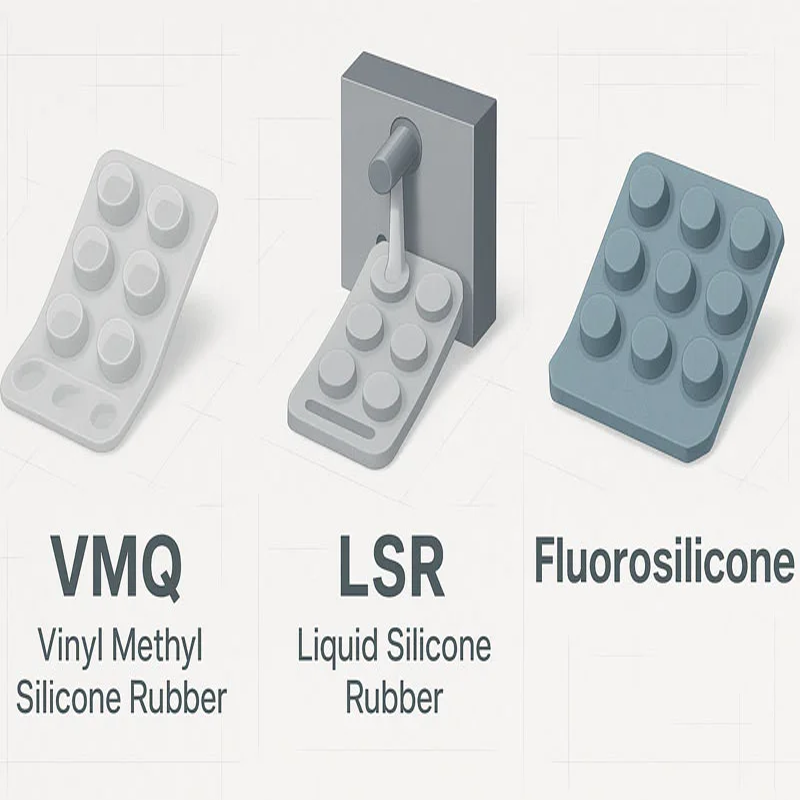
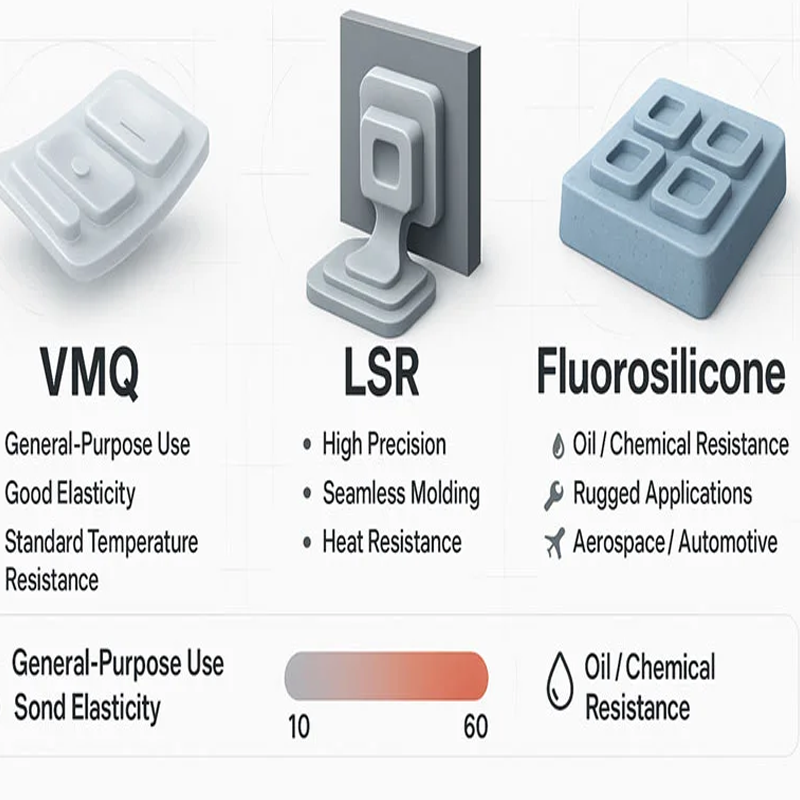
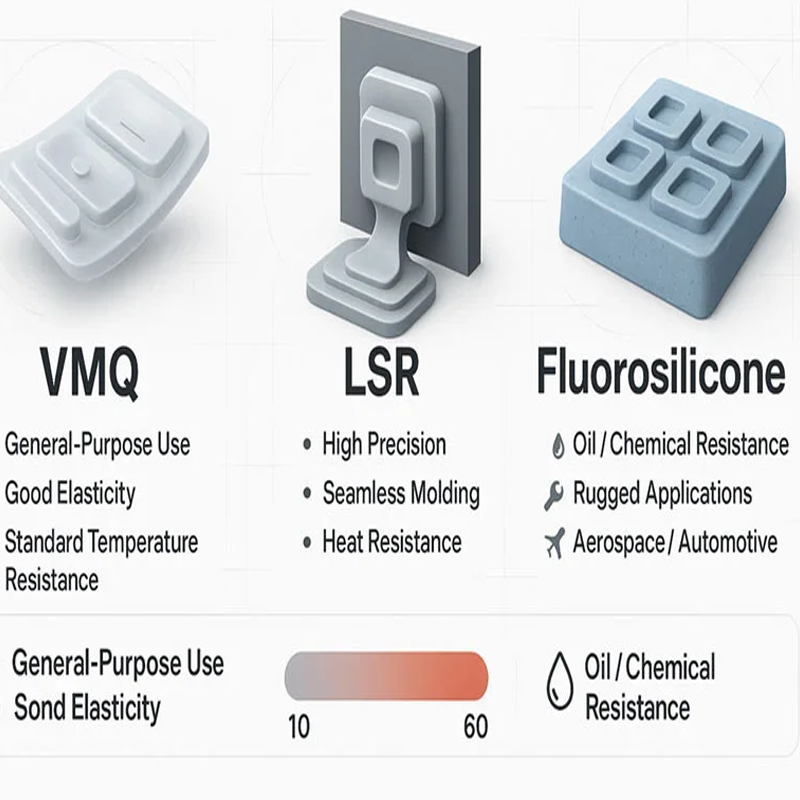
At Flykeyboard, we primarily use three types of silicone: VMQ, LSR, and FVMQ. Let’s take a look at each type and its best use cases:
- VMQ (Methyl Vinyl Silicone Rubber): This is the standard solid silicone rubber used for compression-molded keypads. It offers a balance of flexibility, thermal stability, and ease of molding, making it suitable for a variety of consumer and light industrial applications. VMQ is typically used for everyday devices like remote controls or medical devices.
- LSR (Liquid Silicone Rubber): LSR is injected into molds, which makes it ideal for high-precision or automated production processes. It offers excellent transparency, repeatability, and fast curing times, and is commonly used in high-quality, high-consistency keypads for wearables, medical devices, and electronic controls.
- FVMQ (Fluorosilicone Rubber): This silicone grade is designed for demanding environments where chemical and fuel resistance is critical. FVMQ is commonly used in automotive, aerospace, and ruggedized electronic applications.
Key Benefits of Each Silicone Type:
| Silicone Type | Best Use Cases | Key Features |
|---|---|---|
| VMQ | General, consumer, medical | Flexible, cost-effective |
| LSR | Precision devices, wearables | Clean, transparent, high consistency |
| FVMQ | Automotive, chemical exposure | Superior chemical resistance |
How Does Silicone Hardness Affect Keypad Performance?
Hardness is another critical factor in selecting silicone for keypads. It directly influences how the keypad feels when pressed and how it responds to user input. Silicone hardness is measured on the Shore A scale, which ranges from 30 to 80 for most keypads. Lower hardness values result in a softer, more flexible keypad, while higher values provide a firmer feel.
At Flykeyboard, we help clients choose the right hardness based on user requirements and the intended environment. Here’s a guide on how different hardness levels impact performance:
- Shore A 30-40: Soft and flexible. Ideal for baby products, wearables, and devices where comfort is key.
- Shore A 50-60: Balanced feedback. Common for remote controls, consumer devices, and industrial controls.
- Shore A 70-80: Rigid and durable. Ideal for industrial and outdoor applications requiring high resistance to wear and tear.
Why Choose Medical and Food-Grade Silicone?
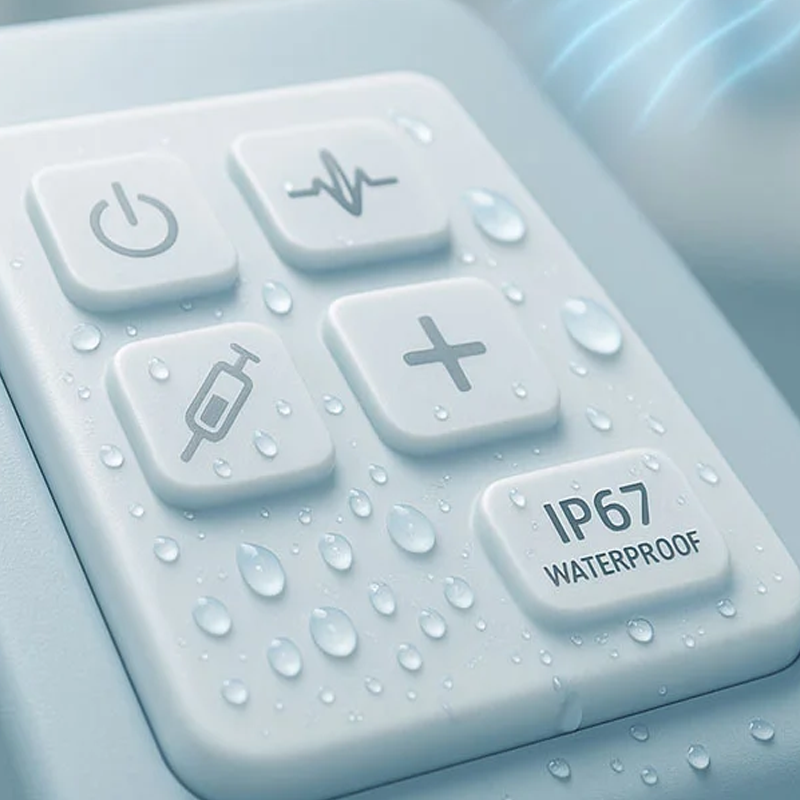
Certain applications, especially in the medical and food industries, require silicone that meets strict health and safety standards. Medical-grade silicone is highly purified and certified to meet FDA, USP Class VI, and ISO standards. This ensures the material is non-toxic, hypoallergenic, and resistant to bodily fluids and cleaning agents.
Food-grade silicone is commonly used in kitchen appliances, baby products, and food storage solutions. It is designed to withstand high heat, resist staining, and be BPA-free, making it safe for contact with food.
What Additives Are Used to Modify Silicone Performance?
Silicone can be enhanced with various additives to improve its performance in specific applications. These include conductive fillers, flame retardants, UV stabilizers, and pigments. At Flykeyboard, we use these additives to customize the silicone’s properties to match our client’s needs.
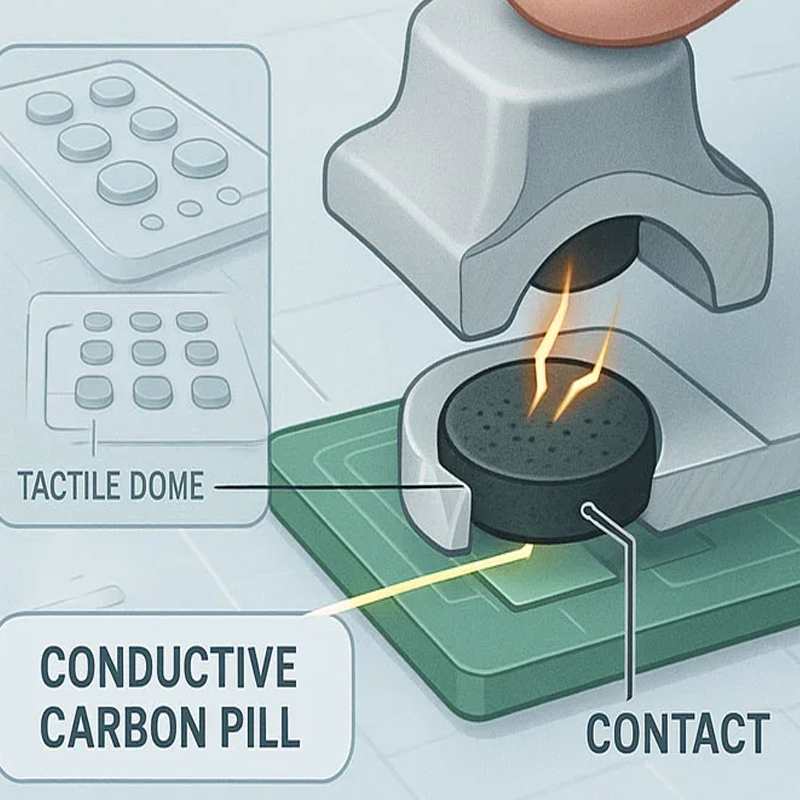
- Conductive Fillers: Used for keypads that require electrical switching, often found in devices like control panels.
- Flame Retardants: Added to meet fire safety standards (such as UL 94 V-0), particularly in industrial or automotive applications.
- UV Stabilizers: Used to prevent fading or cracking, ideal for outdoor devices exposed to sunlight.
- Pigments: We use colorants to match brand colors, coding systems, or aesthetic preferences.
How Does Transparency or Opacity Affect Keypad Design?
The opacity of the silicone affects not only the aesthetic of the keypad but also its functionality. Transparent and translucent silicones are often used in backlit keypads, where light passes through the material to illuminate legends or logos.
At Flykeyboard, we work with a variety of transparency levels depending on your needs:
- Transparent Silicone: Used for illuminated keys or products that require high clarity, such as smartwatches or specialized medical devices.
- Translucent Silicone: Common for keypads with backlit designs or devices used in low-light environments, like dashboards.
- Opaque Silicone: Best for industrial keypads or applications that do not require backlighting or visual clarity.
How Does Silicone Perform in Harsh Environments?
Silicone is known for its ability to withstand extreme temperatures and exposure to environmental elements. Depending on the application, we use different grades of silicone to ensure durability:
- FVMQ is ideal for environments exposed to fuels, oils, and chemicals.
- VMQ can be enhanced with UV-resistant coatings for outdoor applications.
- Hydrophobic coatings are applied for moisture protection in marine or wet environments.
At Flykeyboard, we ensure that the silicone we use is well-suited for the environment it will operate in, whether it’s subjected to extreme heat, cold, or exposure to chemicals.
How Do We Manufacture Silicone Keypads?
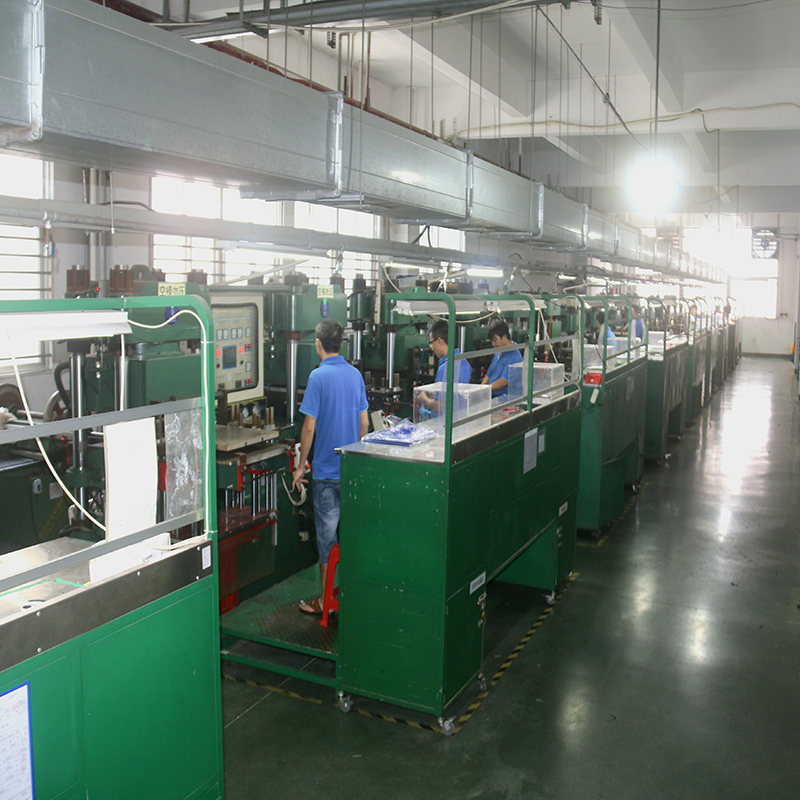
At Flykeyboard, our manufacturing process for silicone keypads is a precise and meticulous procedure that ensures each part meets the highest standards of performance, quality, and reliability. We follow a detailed process that includes:
- Design & Prototyping: Using CAD (Computer-Aided Design), we create a detailed 3D model of the silicone keypad, ensuring every element is optimized for tactile response, fit, and ease of use.
- Material Selection: Based on the specific application, we select the most appropriate silicone material, considering hardness, environmental resistance, and durability.
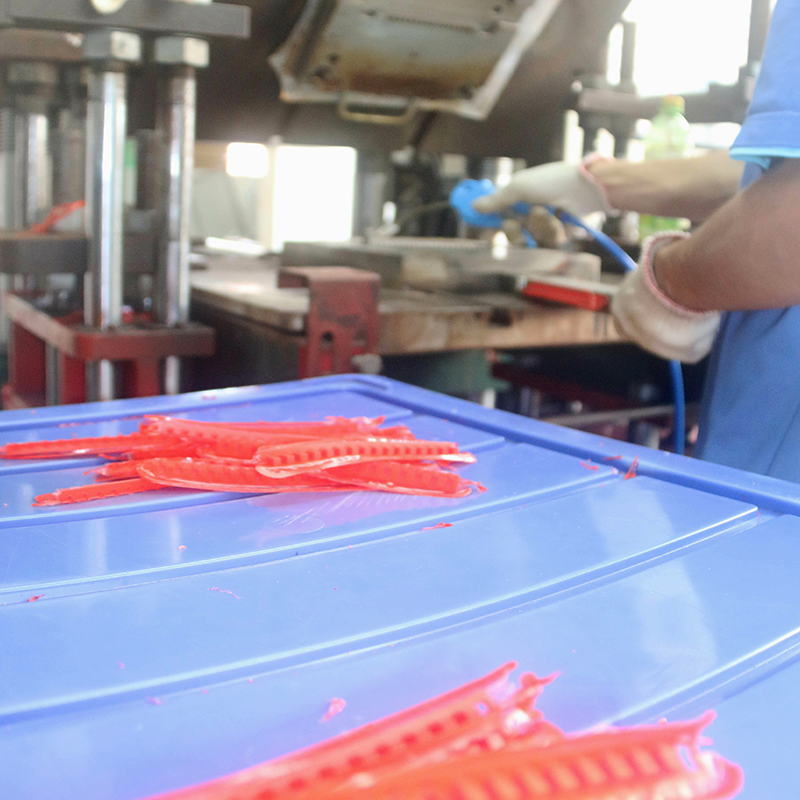
- Molding & Production: We use high-quality injection molding and compression molding techniques to produce keypads with tight tolerances and excellent durability.
- Additive Integration: If required, we incorporate additives such as conductive fillers or UV stabilizers to ensure the final product meets the specific needs of the application.
- Testing & Validation: Every keypad undergoes rigorous quality control checks to ensure it meets dimensional accuracy, tactile response, and environmental performance.
Conclusion
Silicone keypads are an essential component of many modern devices. Whether for medical, industrial, or consumer applications, choosing the right silicone material, grade, and additives is crucial to ensure performance and longevity. At Flykeyboard, we offer high-quality, custom silicone keypad manufacturing services with a one-stop service for all your needs. Our OEM services ensure that your keypads are tailored to your specifications, providing you with a durable, reliable, and high-performance solution.
If you’re ready to create the perfect silicone keypad for your project, reach out to us today. Our experts are here to help you make the right choice for your application, ensuring that your product performs at its best in every environment.