

In the demanding world of medical devices, where precision, reliability, and hygiene are paramount, selecting the right input components is critical. A failure in keypads during critical moments can compromise both the functionality and safety of a medical device, leading to potential risks for patients and healthcare providers alike. That’s where silicone keypads stand out as the optimal choice for many medical applications.

At Flykeyboard, we understand the importance of these components. As a manufacturer with years of experience in producing high-quality silicone products, we’ve seen firsthand how silicone keypads meet the rigorous demands of the medical industry. From regulatory certifications to custom design services, we provide end-to-end solutions that ensure our clients’ products meet the highest standards of performance and hygiene.
In this article, we will explore why silicone keypads are ideal for medical devices, how they ensure hygiene, and what considerations need to be taken into account during their design and manufacturing.
Why Are Silicone Keypads Ideal for Medical Devices?
Medical devices face challenges that few other industries must contend with. Components must endure frequent cleaning, high-touch environments, and exposure to harsh sterilization methods. Silicone keypads meet these challenges head-on, offering a combination of durability, safety, and hygiene that few other materials can match.
Key Advantages of Silicone Keypads:
- Non-Toxic & Biocompatible: Silicone is naturally biocompatible and inert, making it a safe choice for medical devices that will be in contact with human skin or fluids. It doesn’t react with human tissue or chemicals used in medical environments, ensuring user safety.
- Sealed Design: Silicone keypads are often designed with a sealed surface, preventing fluids and pathogens from entering the device, a crucial feature in the fight against infections.
- Chemical Resistance: Silicone can withstand exposure to common medical disinfectants and sterilization agents like alcohol, hydrogen peroxide, and other harsh chemicals.
- Durability and Longevity: With its high resistance to wear, silicone keypads are durable and able to withstand repeated use, even under harsh conditions such as prolonged contact with surgical gloves.
- Easy to Clean: Unlike traditional membrane switches, silicone keypads are easy to clean and maintain, making them ideal for medical environments where cleanliness is essential.

Common Medical Applications for Silicone Keypads
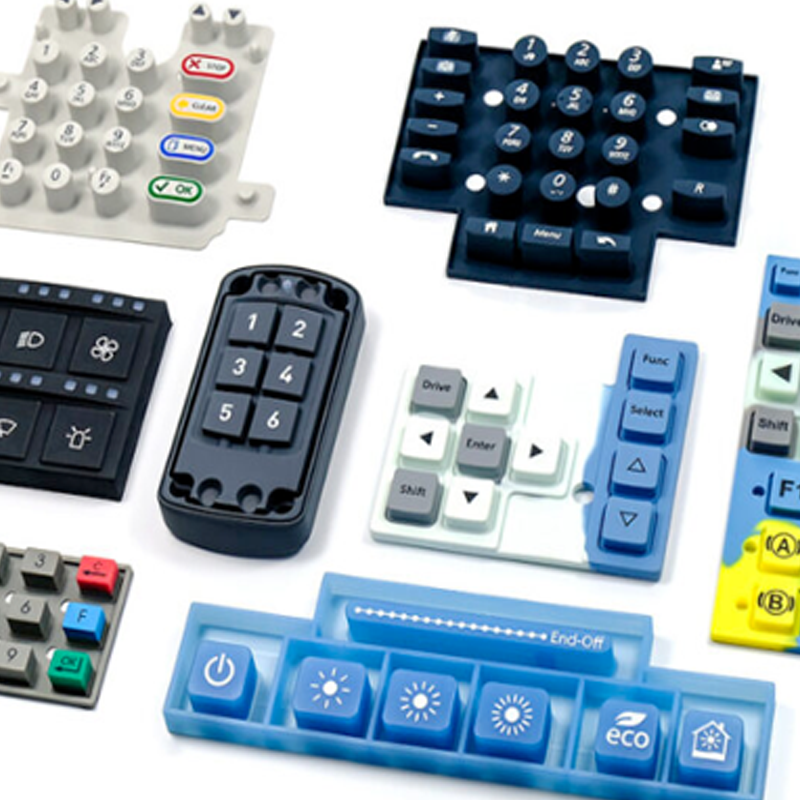
From diagnostic devices to patient monitors, silicone keypads are integral to the functionality of many medical devices. These keypads are used for their tactile feedback, hygiene, and resistance to sterilization processes. Let’s look at some common medical devices that rely on silicone keypads:
| Device Type | Reason for Use |
|---|---|
| Patient Monitors | Tactile input with sealed buttons for ease of use |
| Infusion Pumps | Safe for direct contact and easy cleaning |
| Diagnostic Machines | Clear legends with chemical resistance and easy sanitization |
| Ultrasound Devices | Durability for portable use in rugged environments |
| Autoclaves | Surfaces withstand high heat and chemical exposure |
At Flykeyboard, we recently worked with a customer who required a silicone keypad for a portable ECG monitor. This device needed to function seamlessly under surgical gloves while also being cleaned and sterilized daily. We provided custom solutions using platinum-cured silicone with laser-etched legends to meet the exacting standards of the medical industry.
How Do Silicone Keypads Support Hygiene and Infection Control?
Hygiene is a top priority in medical environments, where the potential for infection is a constant concern. Silicone keypads play a vital role in maintaining a sterile environment, helping to prevent microbial buildup on commonly touched surfaces.
How Silicone Keypads Ensure Hygiene:
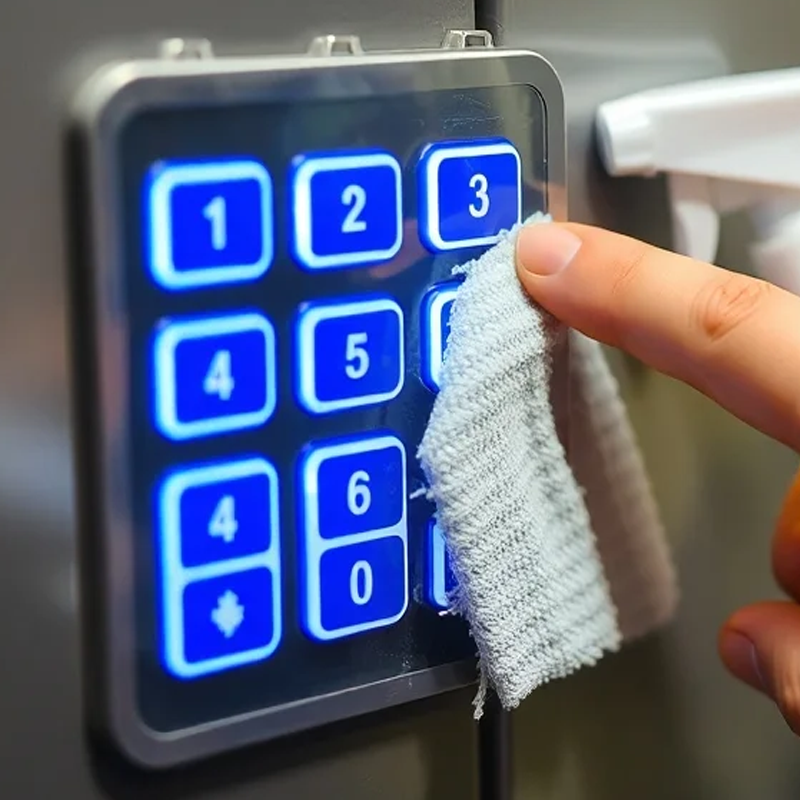
- Seamless Surface: The smooth, sealed design of silicone keypads prevents fluids, dirt, and bacteria from accumulating, unlike traditional mechanical switches, which can have gaps where germs can hide.
- Resistant to Microbial Growth: Silicone is naturally resistant to the growth of bacteria and fungi, which is critical in environments where infection prevention is paramount.
- IP Ratings for Protection: Many of our silicone keypads are designed with IP65 to IP67 ratings, meaning they are fully sealed against dust and water ingress, making them ideal for environments where sterilization is frequent.
- Autoclave Compatibility: Silicone keypads are compatible with autoclave sterilization methods, which are commonly used in medical settings to ensure the complete removal of harmful bacteria and pathogens.
Design Considerations for Medical Keypads
Designing silicone keypads for medical devices involves balancing several key factors, including usability, reliability, and ease of cleaning. The keypad must perform well under various conditions, especially when medical professionals need to use them under pressure.
Key Design Considerations:
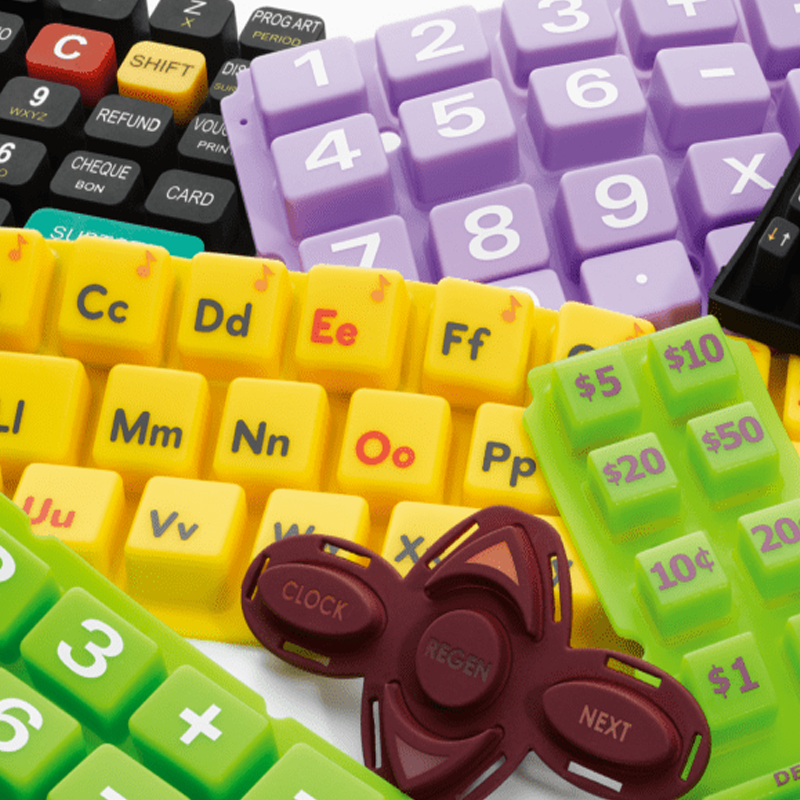
- Tactile Feedback: It’s important that keypads provide sufficient tactile feedback for users to confirm keypresses, especially when wearing gloves. The feedback must be strong enough to be felt without causing strain on the user’s fingers.
- Key Labeling: For long-lasting legibility, we use laser etching or molded legends. These methods ensure that the labels remain intact even after multiple rounds of sterilization and cleaning.
- Material Selection: Platinum-cured, FDA-approved silicone is often the best choice for medical keypads, ensuring biocompatibility and resistance to chemicals.
- Coatings and Finishes: We add coatings such as PU spray to enhance abrasion resistance and ensure longevity. The coating also contributes to the tactile feel and overall appearance of the keypad.
- Color Coding: For clarity and ease of use, UV-stable pigments are used for color coding the keys, ensuring that the markings remain vibrant even after repeated exposure to UV light.

Regulatory Compliance: What Must Medical Keypads Meet?
To meet the stringent demands of the medical industry, silicone keypads must comply with several regulatory standards. At Flykeyboard, we ensure that all our medical-grade silicone keypads meet the necessary certifications, providing our clients with peace of mind and regulatory compliance.
Key Regulations:
- FDA 21 CFR 177.2600: Ensures the silicone used is safe for repeated contact with food or pharmaceuticals.
- ISO 10993: Tests biocompatibility and skin sensitivity, ensuring that the material doesn’t cause adverse reactions.
- RoHS & REACH Compliance: Ensures that no hazardous substances are used in the production of the keypads.
We provide Certificates of Compliance (CoC), Material Safety Data Sheets (MSDS), and third-party test reports to ensure full transparency for our clients. By maintaining strict quality control and following these regulations, we help our customers avoid costly delays and meet all the necessary requirements for market approval.

Why Silicone Keypads Outperform Alternatives
When compared to alternatives like membrane switches or plastic buttons, silicone keypads stand out for their durability, reliability, and hygiene. They provide several distinct advantages that make them the preferred choice for medical devices.
Advantages of Silicone Keypads:
| Feature | Silicone Keypads | Membrane Switches | Plastic Buttons |
|---|---|---|---|
| Washable Surface | Yes | Limited | No |
| Sterilizable | Yes | Partially | No |
| Tactile Feedback | High | Low | Medium |
| Seal Integrity | Excellent | Good | Poor |
| FDA Compliant | Yes | Rarely | Rarely |
At Flykeyboard, we have consistently seen how silicone keypads outperform alternatives, offering a longer lifespan and reduced maintenance needs for medical devices. With the right silicone keypad, you can enhance both the functionality and safety of your product.
Conclusion
Silicone keypads offer the durability, hygiene, and precision needed in medical devices. Their ability to withstand sterilization processes, offer tactile feedback, and meet stringent regulatory requirements makes them essential for the healthcare industry. At Flykeyboard, we pride ourselves on delivering high-quality, customizable silicone keypads that meet these exacting standards.
With our custom services and one-stop manufacturing solutions, we ensure that every aspect of your silicone keypad is tailored to your specific requirements. Whether you’re looking for FDA-compliant materials, custom designs, or precise manufacturing, we are here to provide you with the best solutions for your medical device needs. Ready to take your medical device to the next level with high-quality silicone keypads? Contact us today, and let’s make your project a success!